This new animated video from Komodo is designed to help students in senior and secondary year groups understand the schools decision to use Komodo, how the platform can support them and the way it works. Ideal for showing new students and for use as part of your Komodo onboarding journey!
This new animated video from Komodo is designed to help students in junior and primary year groups understand the schools decision to use Komodo, how the platform can support them and the way it works. Ideal for showing new students and for use as part of your Komodo onboarding journey!
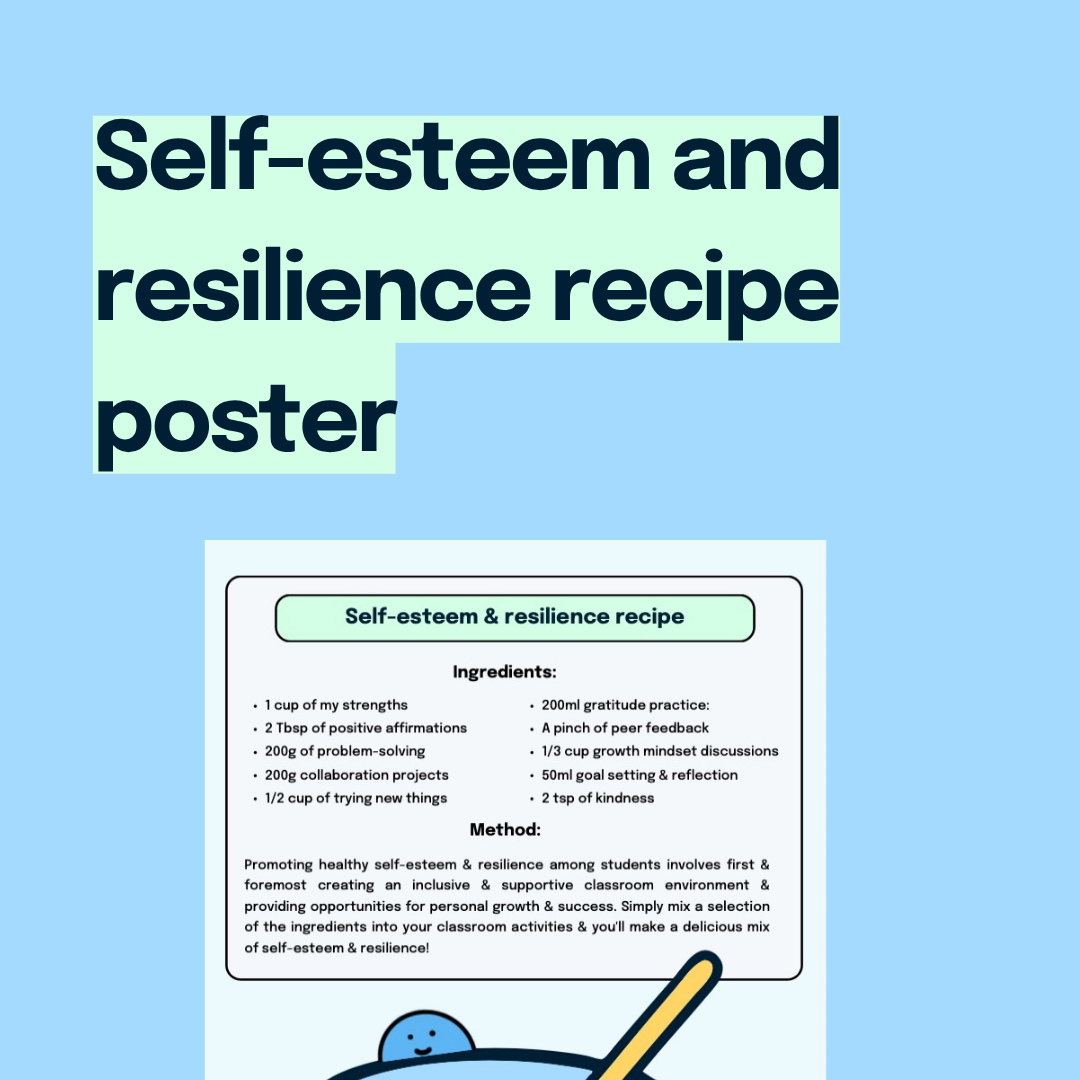
This visual resource presents a self-esteem and resilience recipe for primary and secondary classrooms. It includes key ingredients like positive self-talk, trying new things, and asking for help. Perfect for classroom display to promote daily wellbeing reminders.
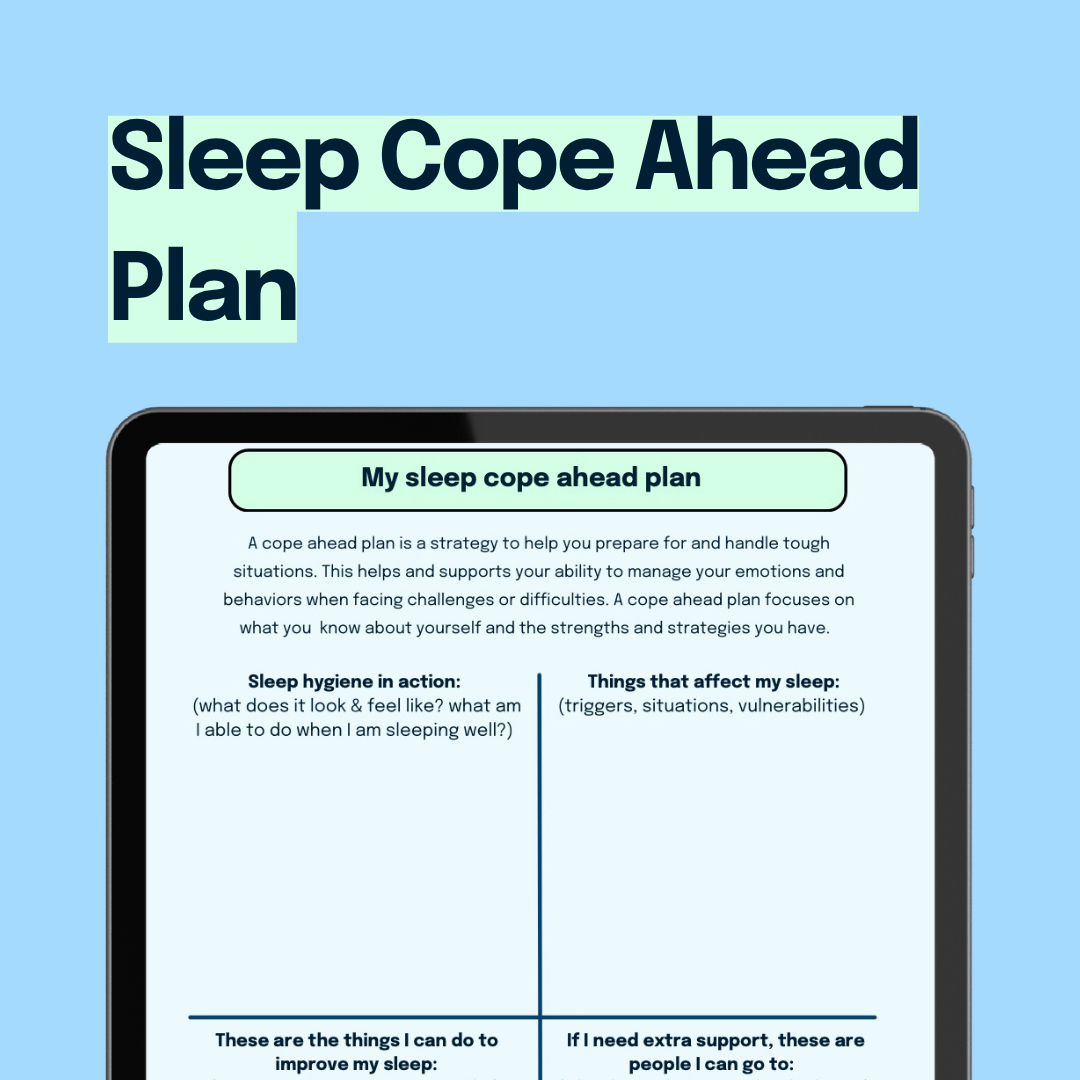
This classroom activity supports students to reflect on their current sleep habits and create a personalised "cope ahead" plan for better sleep hygiene. It guides students through identifying barriers to quality sleep and planning helpful strategies to manage them. Suitable for both primary and secondary students, this resource is designed for classroom use and encourages self-awareness, routine-building, and practical wellbeing planning.
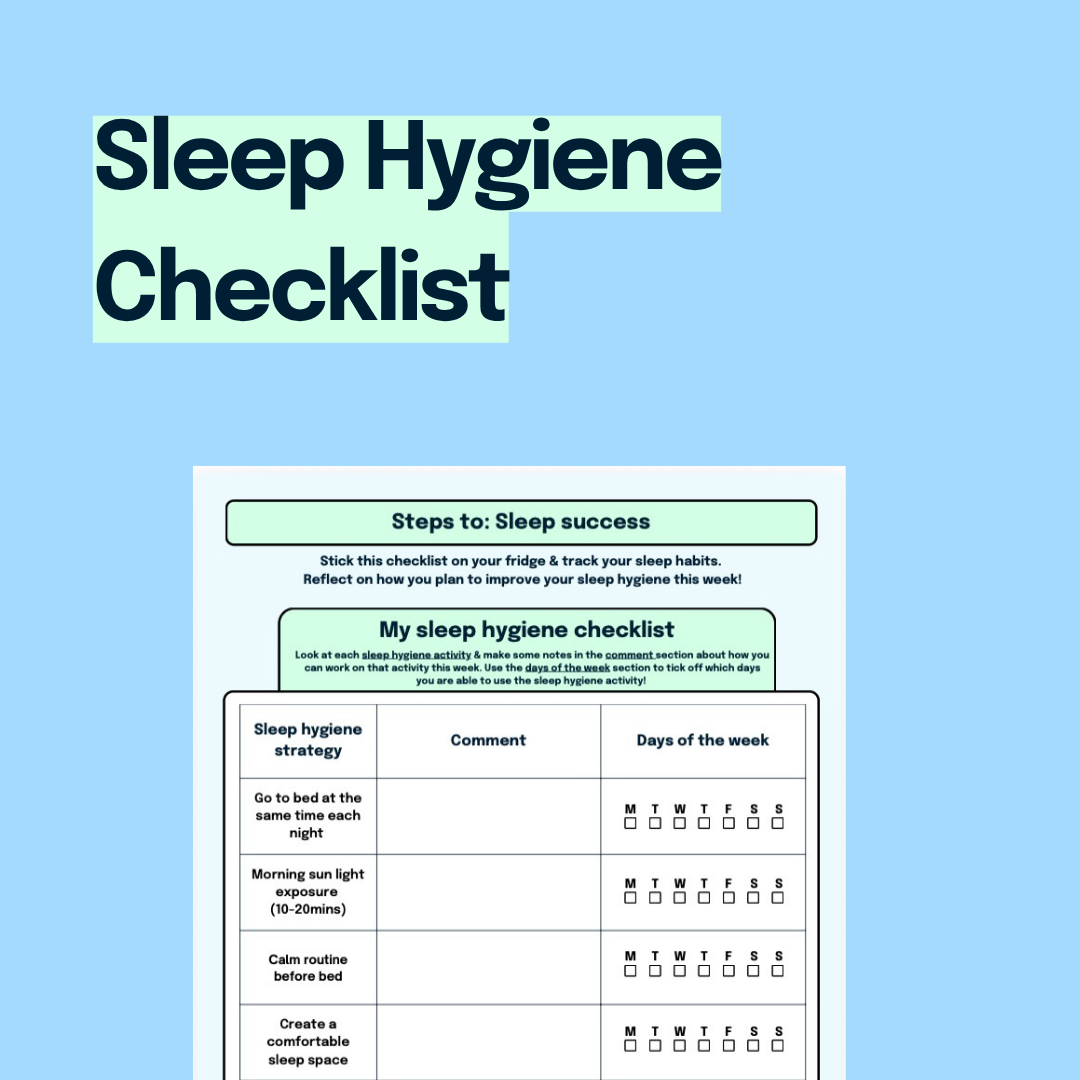
This checklist helps students and staff reflect on and improve their sleep habits by identifying key routines and environmental factors that support quality rest. Covering areas like screen use, bedtime routines, and daily habits, it encourages self-awareness and practical changes to enhance wellbeing. Suitable for both primary and secondary students as well as staff, this resource is designed for classroom use or individual self-care planning.
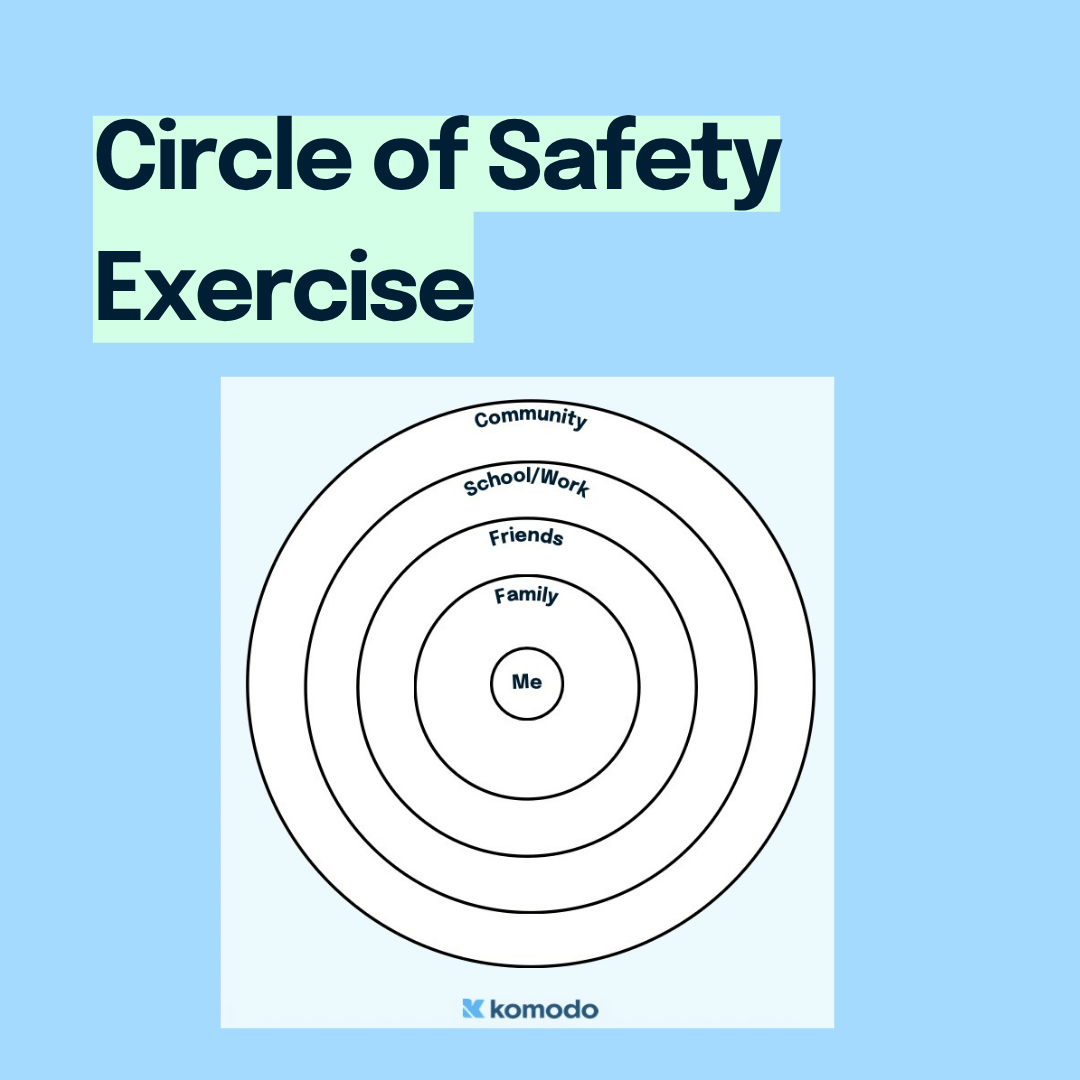
This classroom activity resource introduces the Circle of Safety exercise, designed to help secondary students identify and reflect on the key individuals within their support network across four key areas: family, friends, school/work, and community. This exercise promotes emotional awareness and encourages students to recognise the diverse sources of support available to them.
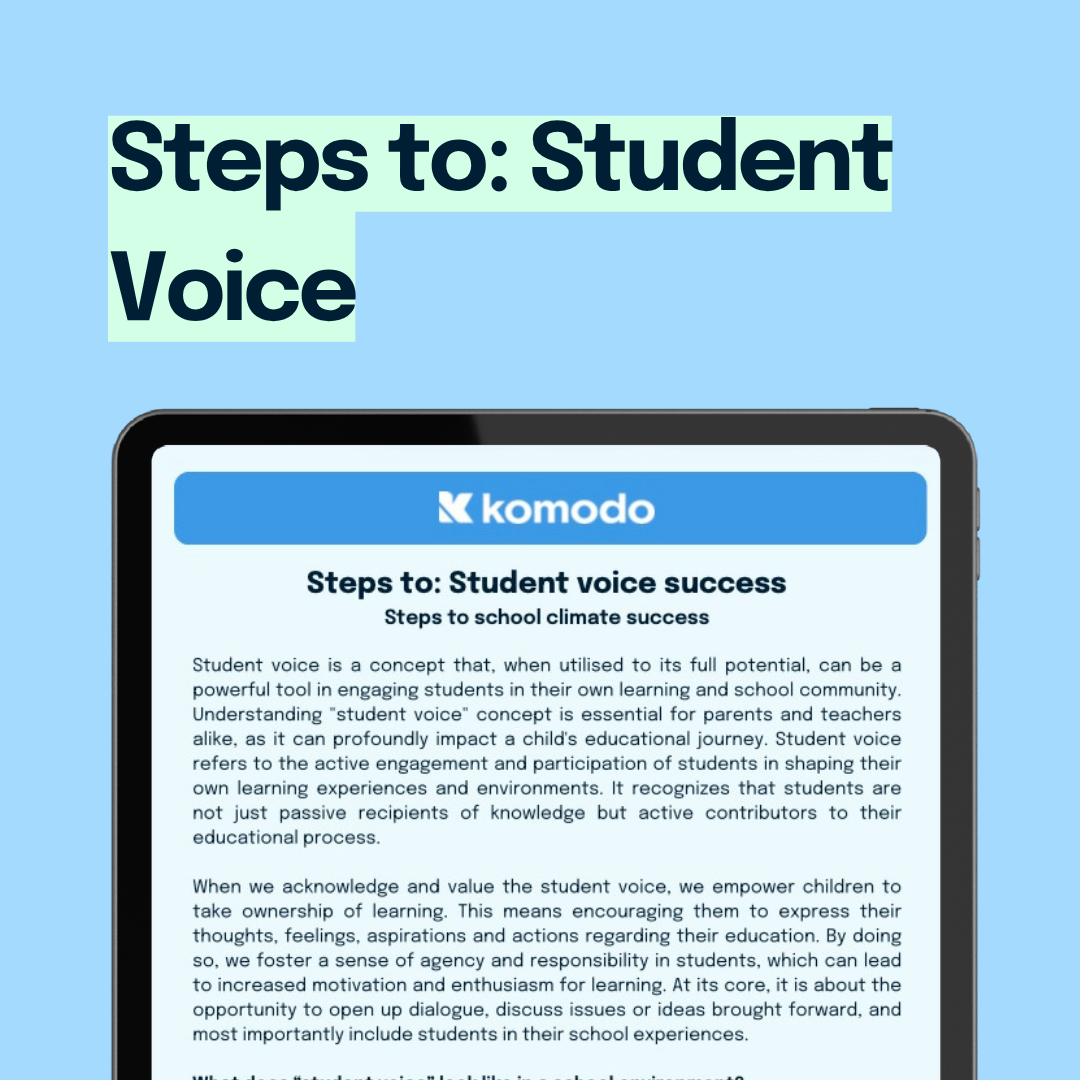
This resource explores how to strengthen school climate through student voice in primary and secondary settings. It highlights the shift from student silence to empowerment, offering practical steps for involving students in decision-making and fostering a sense of ownership and belonging. Ideal for creating inclusive, engaging learning environments.
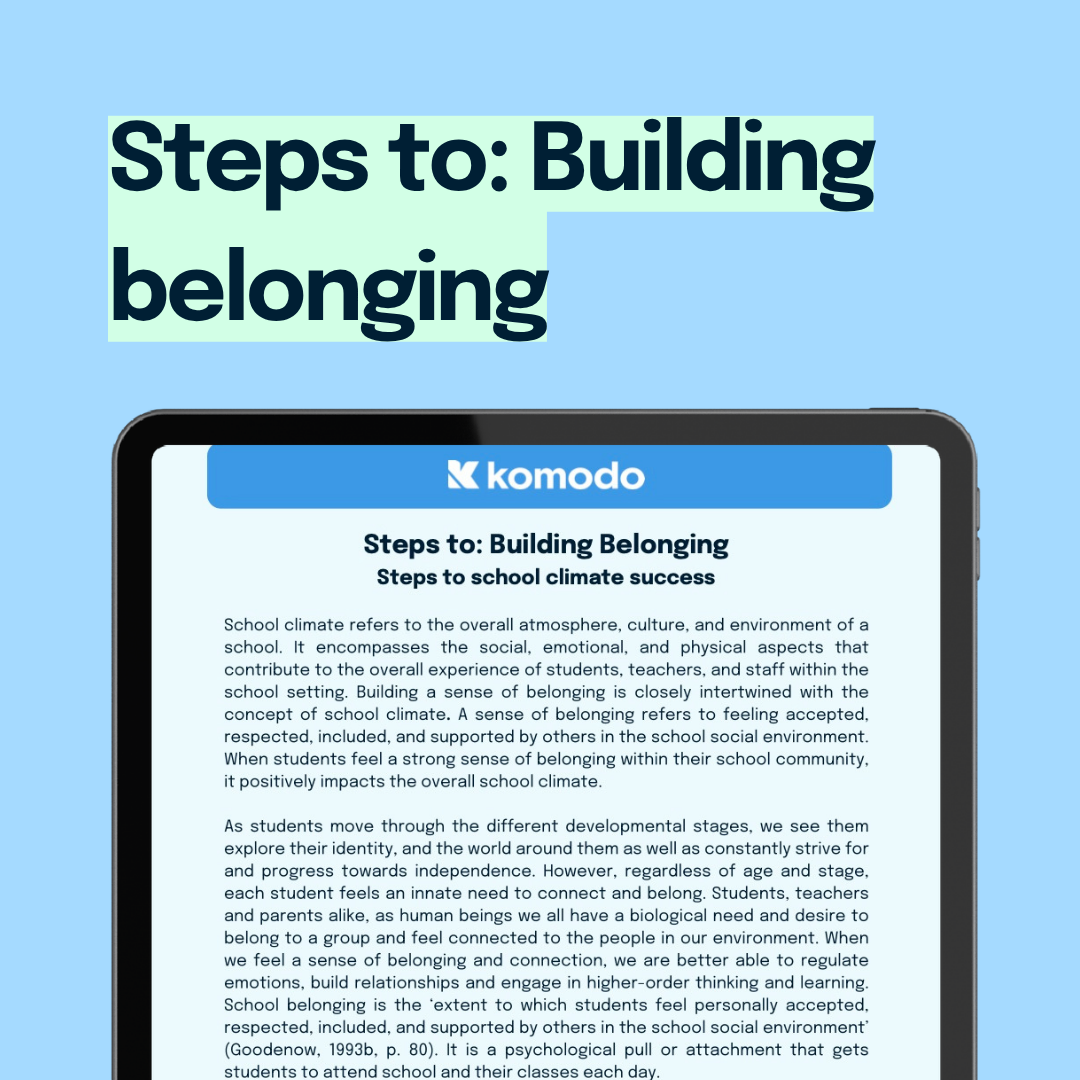
This resource explores how to strengthen school climate through by building belonging for primary and secondary students. It explores how belonging supports wellbeing, engagement, and achievement, and offers strategies to create inclusive, respectful environments where all students feel seen, valued, and connected. Ideal for whole-school development.
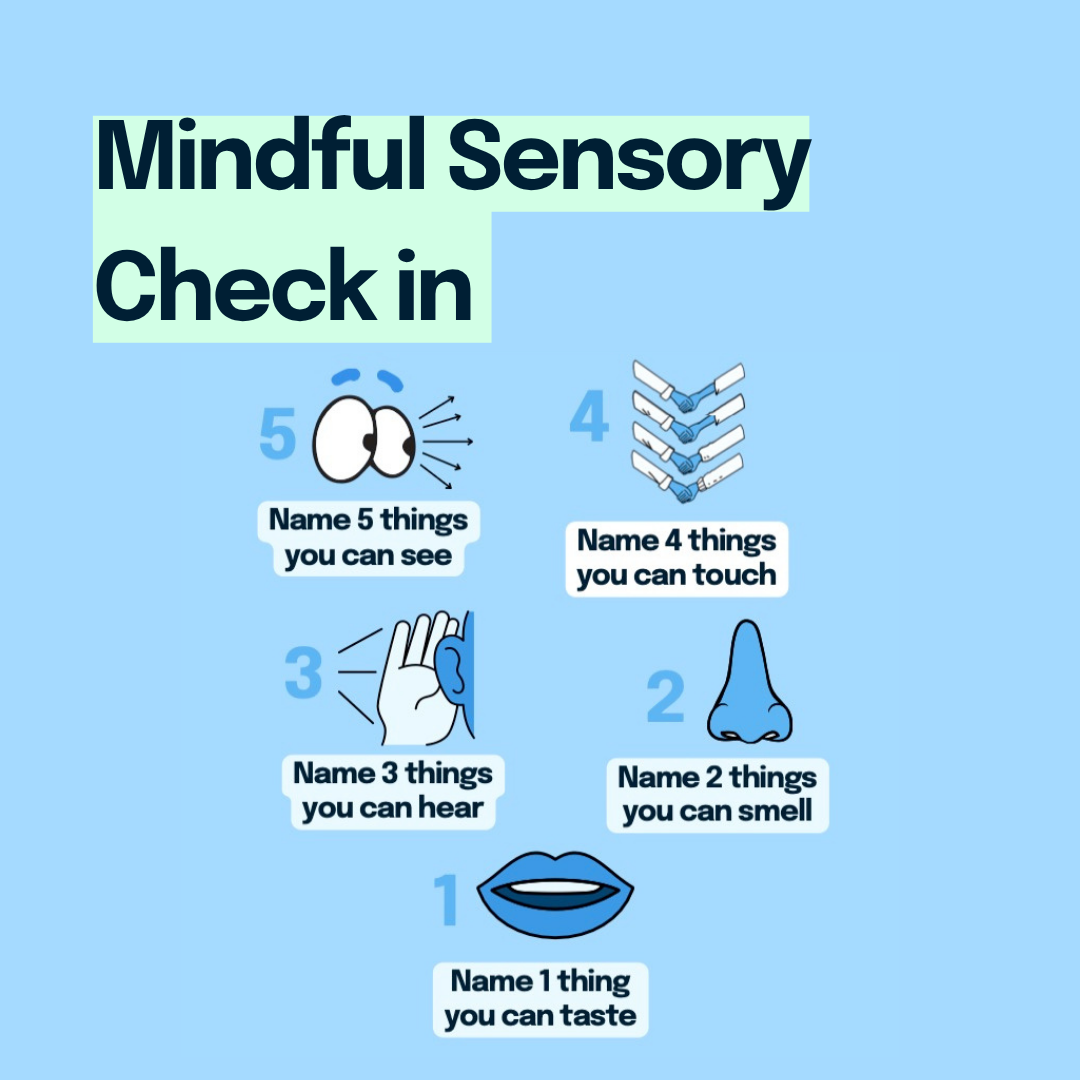
This is a classroom poster which talks students through a mindful sensory check in. This can be used with primary and secondary students.
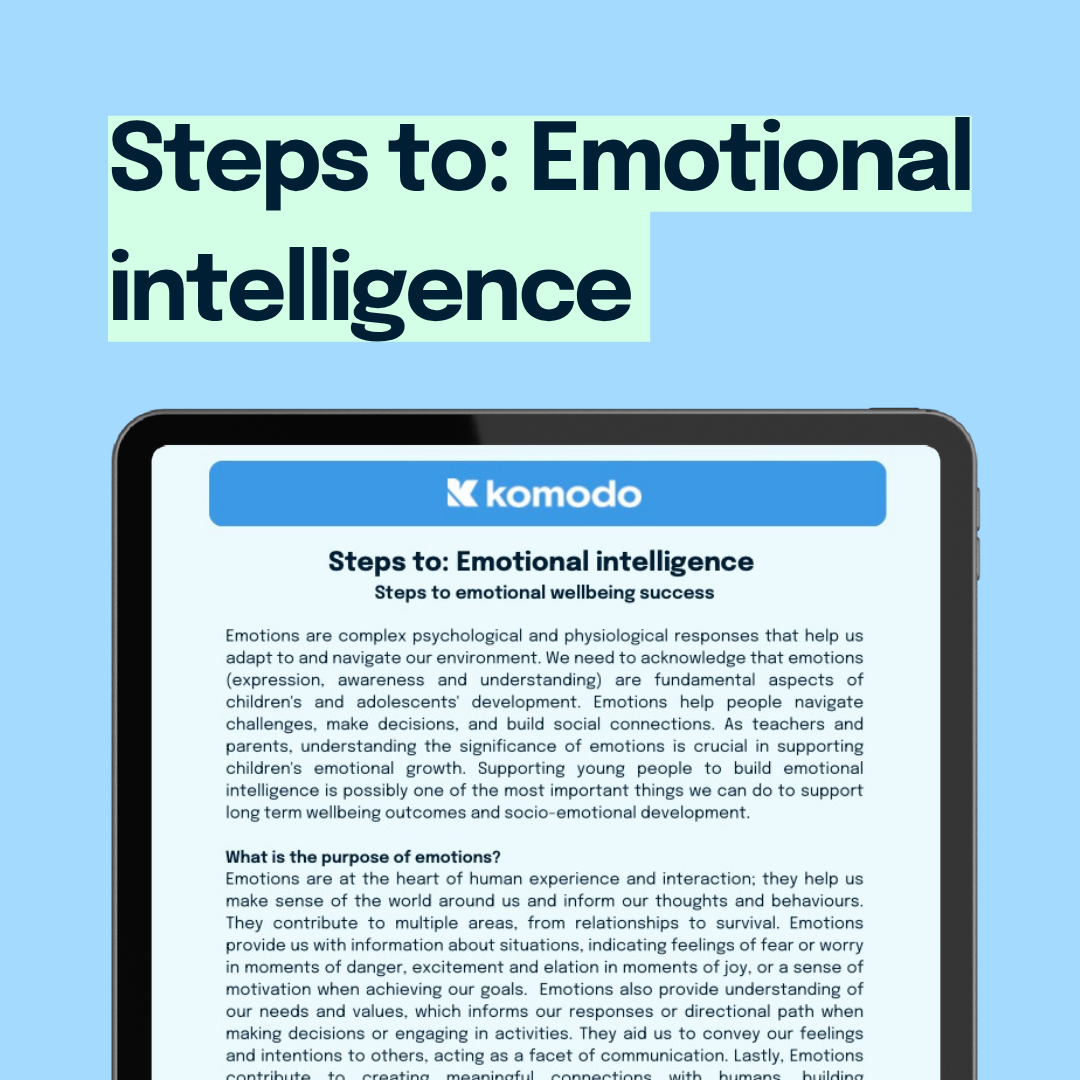
This resource explains what emotional intelligence is and how to encourage its development in primary and secondary students. It covers key skills like recognising and managing emotions with practical tips for teachers to foster these abilities in the classroom. Ideal for teacher skill building and wellbeing programs.
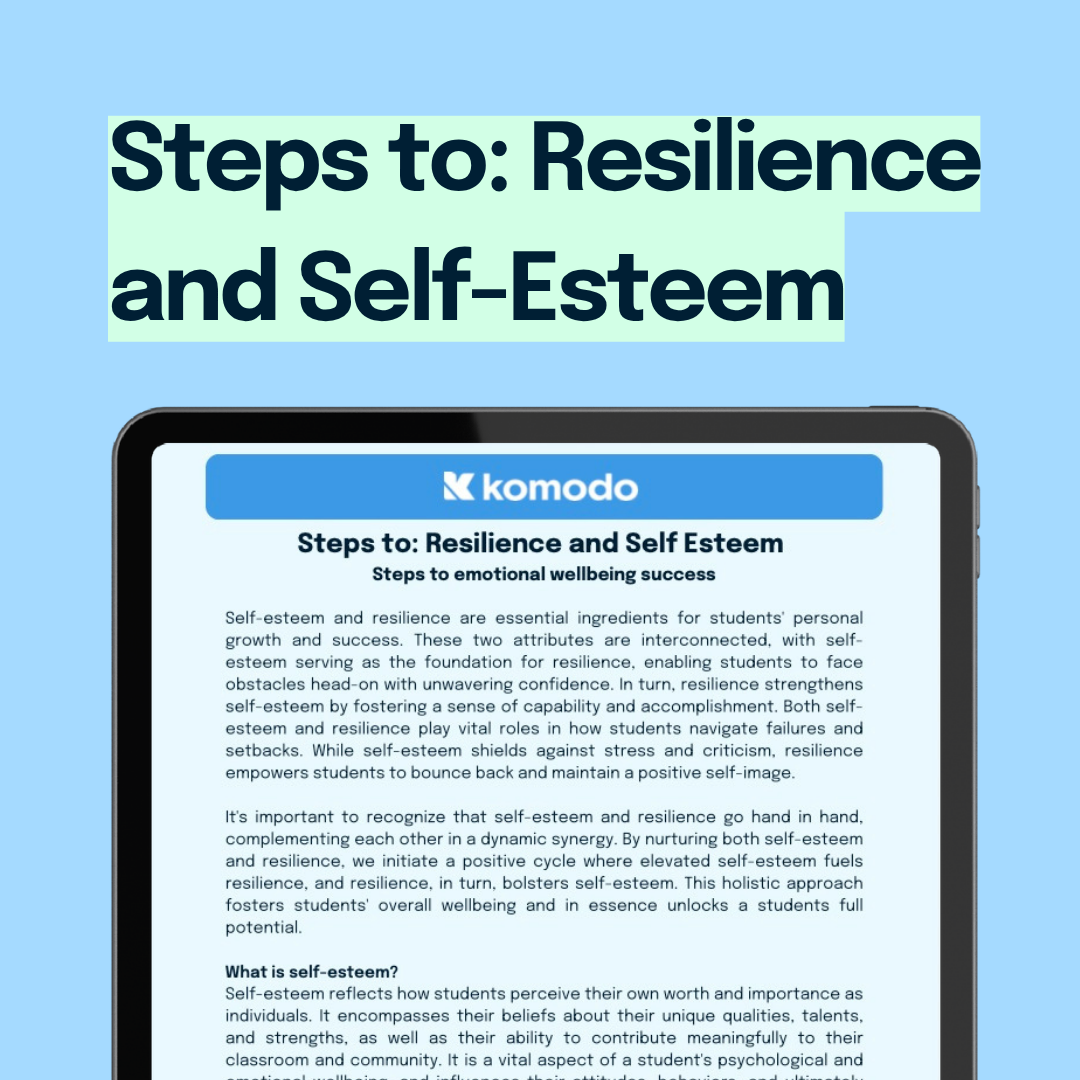
This resource supports educator development in fostering self-esteem and resilience among primary and secondary students. It explains key concepts and offers practical strategies educators can use to build students’ confidence, coping skills, and emotional strength. Designed to enhance wellbeing and create positive classroom environments.
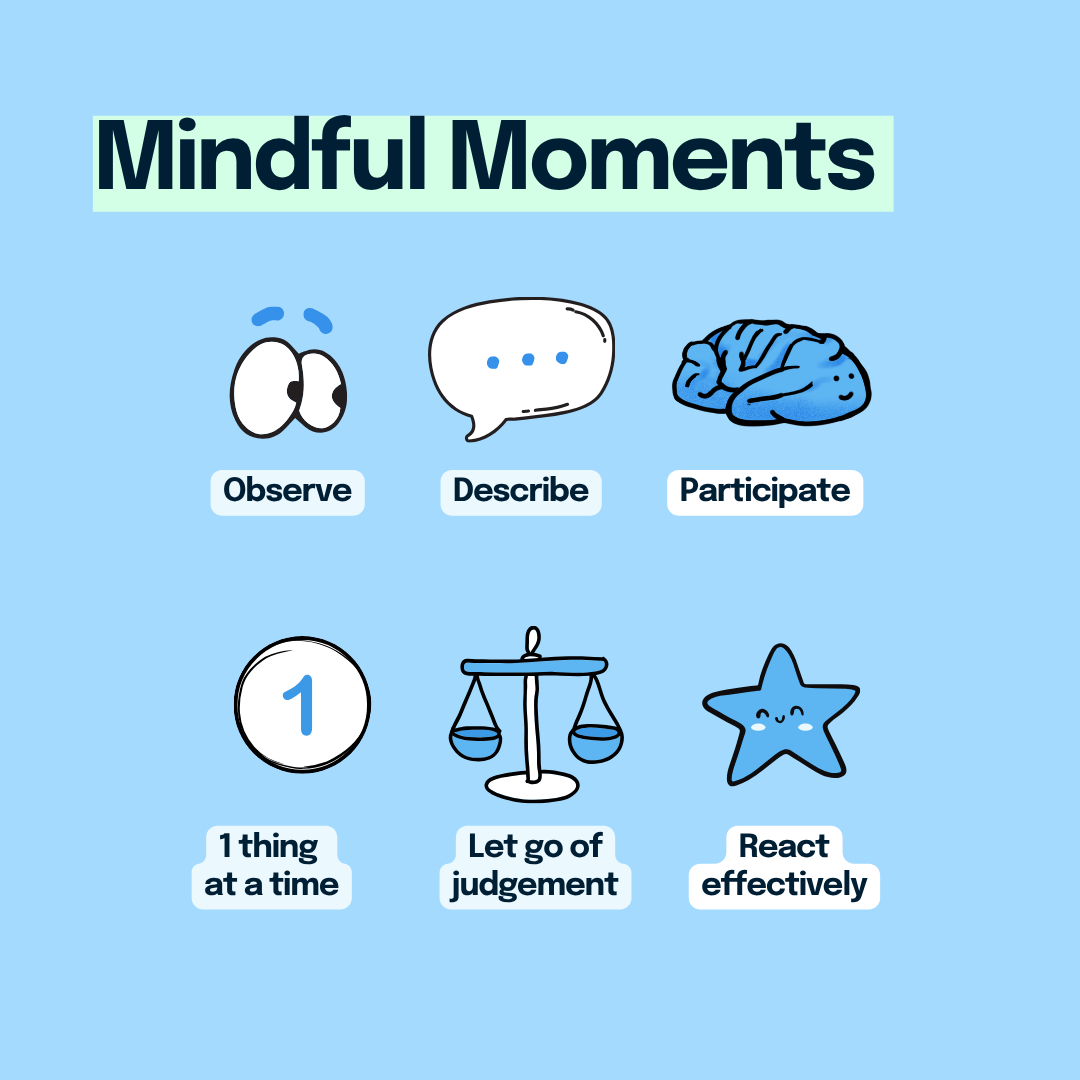
This Mindful Moments resource offers simple mindfulness ideas for primary and secondary students to support focus, calm, and self-awareness. Activities can be used in class, during transitions, or as part of wellbeing routines. A practical tool for encouraging everyday mindfulness in busy school settings.
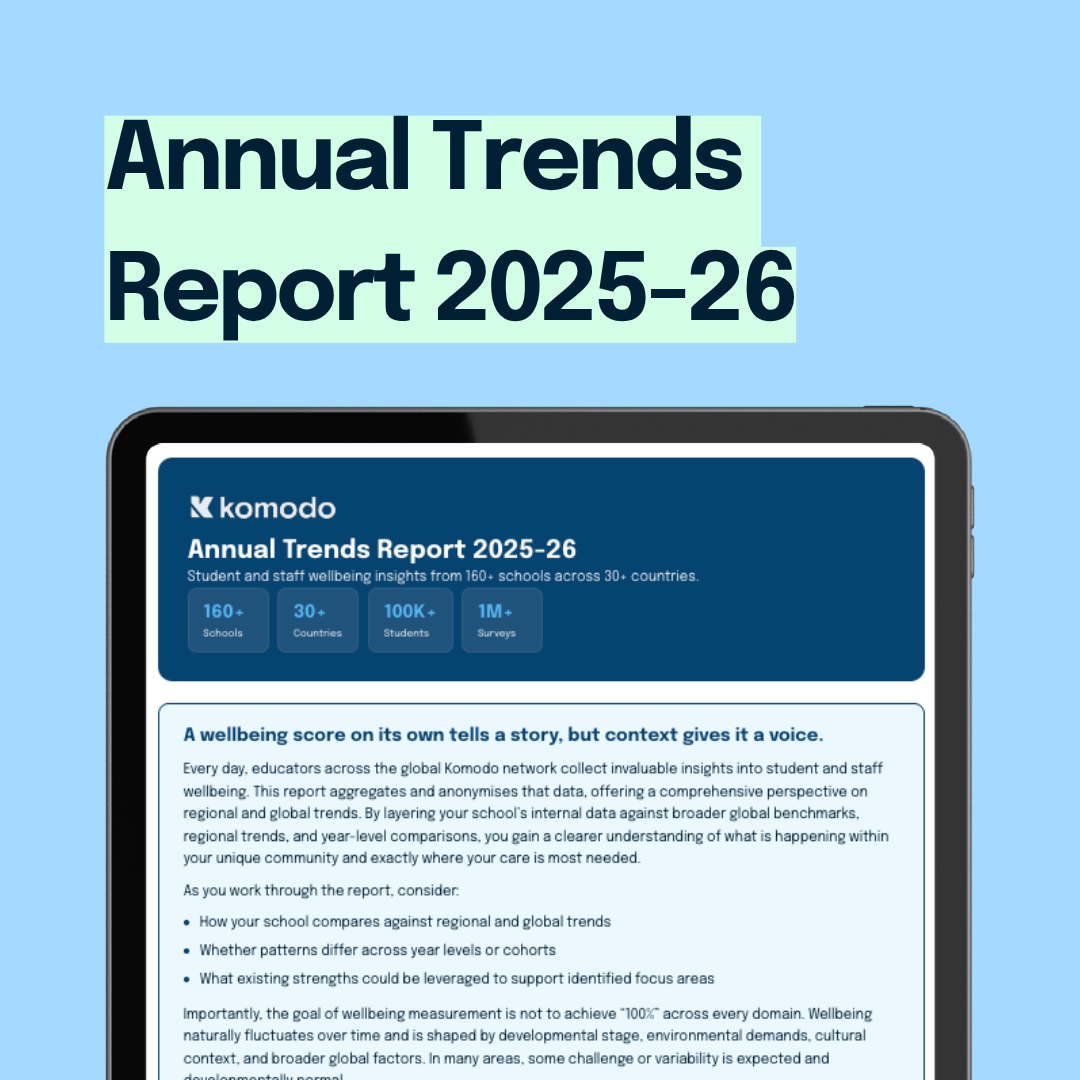
Use this report to benchmark your school against global, regional and year-level averages, identify themes worth prioritising in your wellbeing strategy, and understand how student and staff wellbeing has shifted year on year. The data for this report was gathered during the 2025-26 academic year.
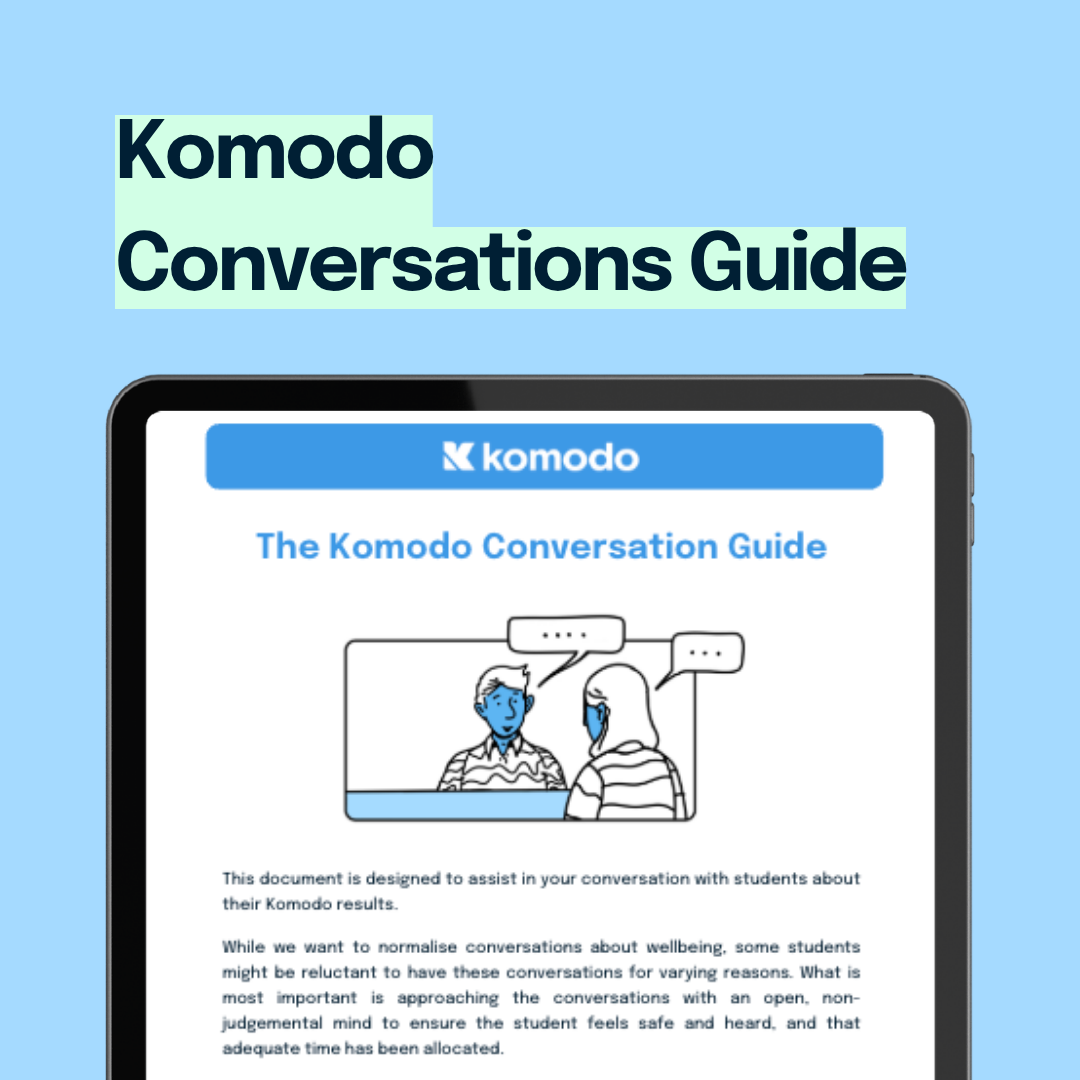
This document is designed to assist in your conversation with students about their Komodo results. While we want to normalise conversations about wellbeing, some students might be reluctant to have these conversations for varying reasons. What is most important is approaching the conversations with an open, non-judgemental mind to ensure the student feels safe and heard, and that adequate time has been allocated.
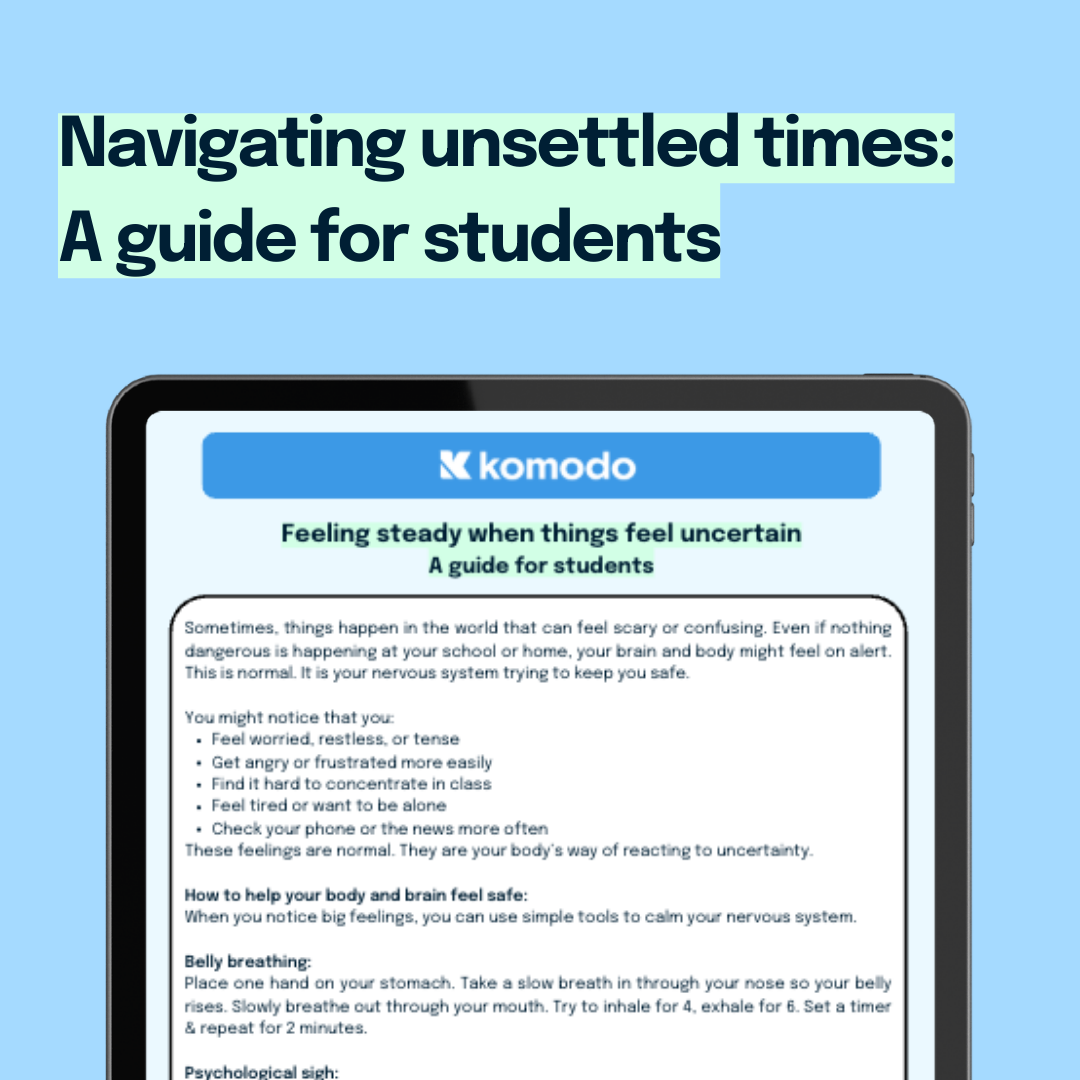
How to feel steady when everything else feels uncertain. This guide is designed to help students engage in basic wellbeing practices that help regulate and ground in times of stress. This practical guide is designed to be used at any time of the day with primary and secondary students.
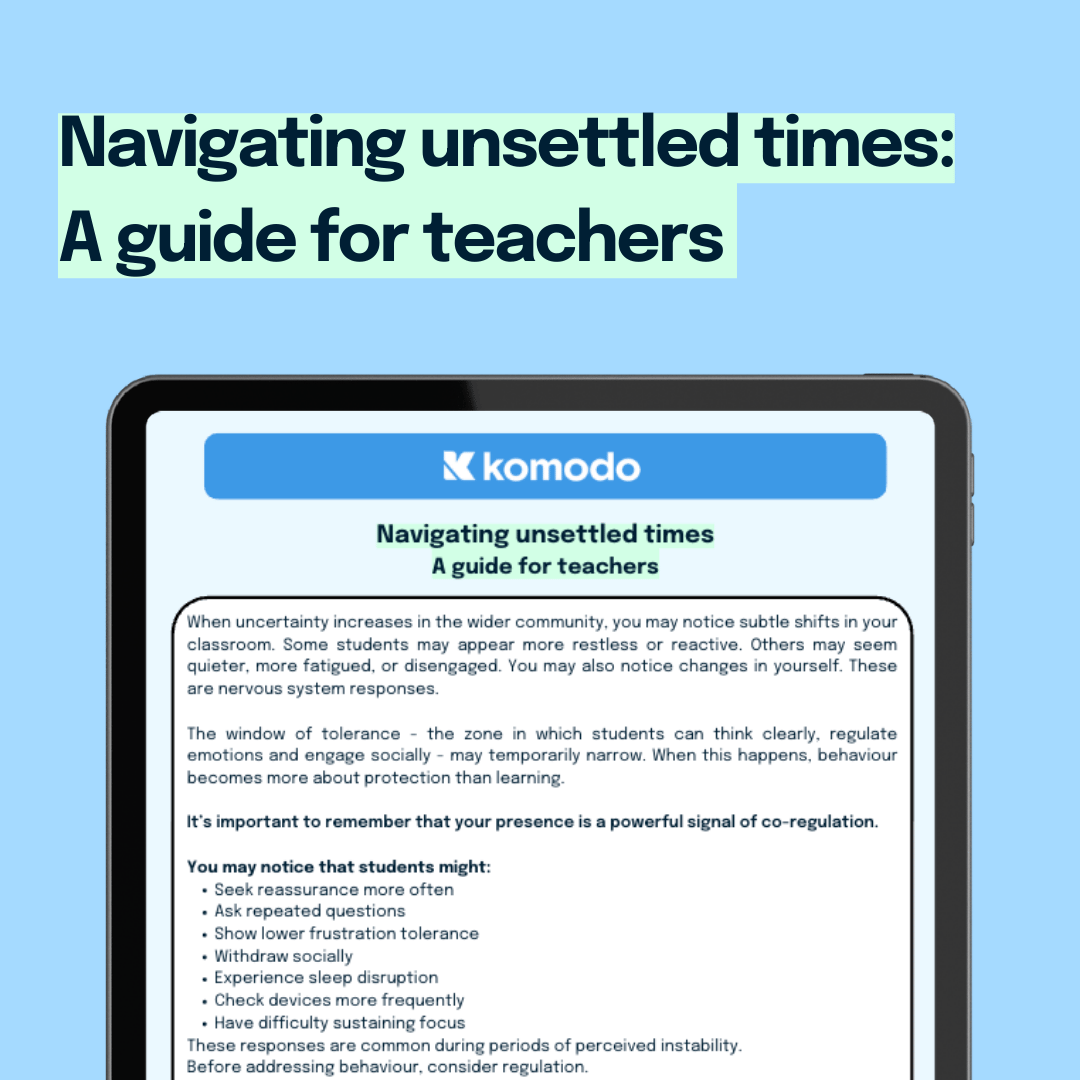
The guide is designed to help teachers navigate the stress of uncertain times, offering practical suggestions to support both staff and student wellbeing responses to stress. It includes activities you can deliver in person or online during class time.
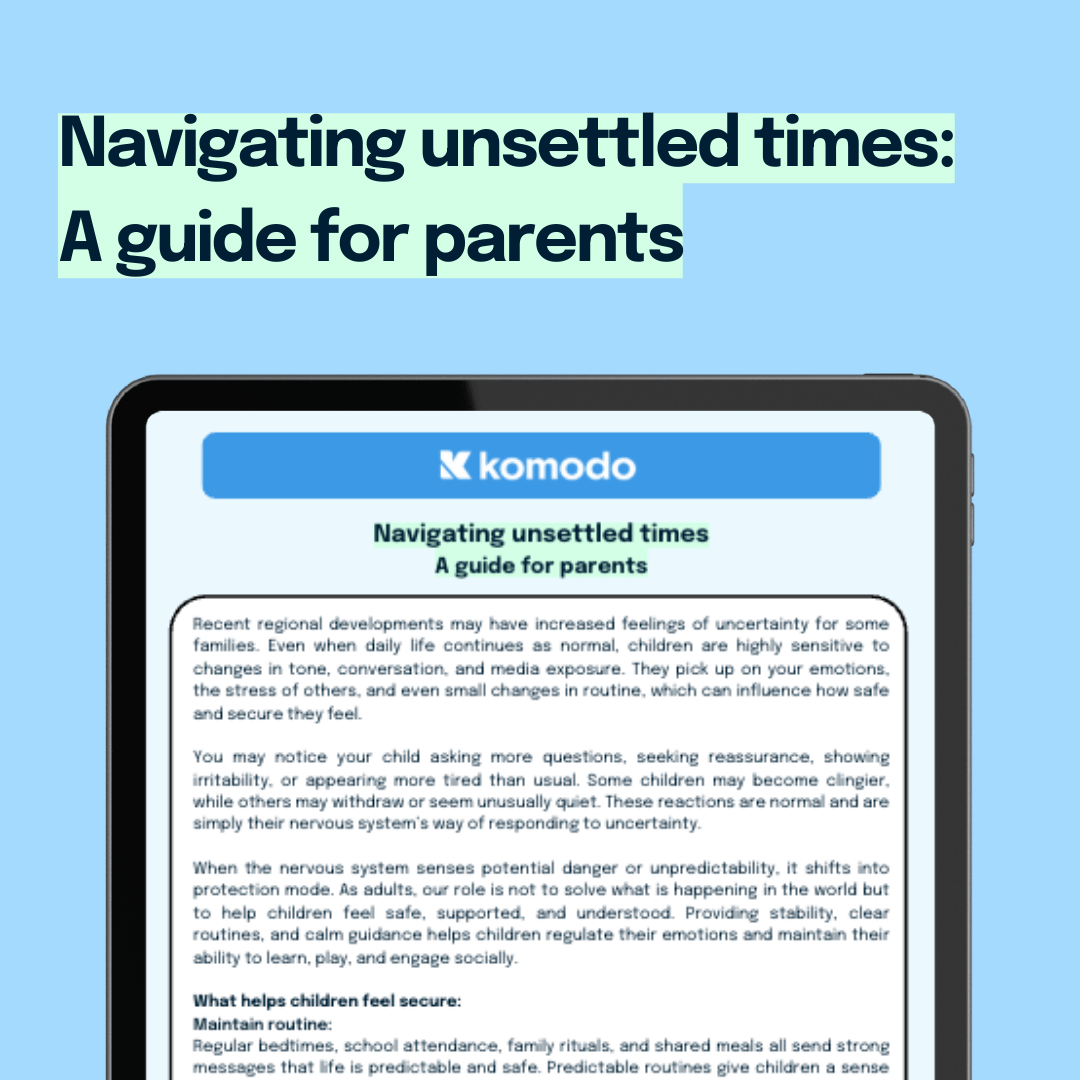
This guide has been created to give parents and caregivers across the school clear, practical strategies to support both their own wellbeing and their children’s during periods of wider public uncertainty.
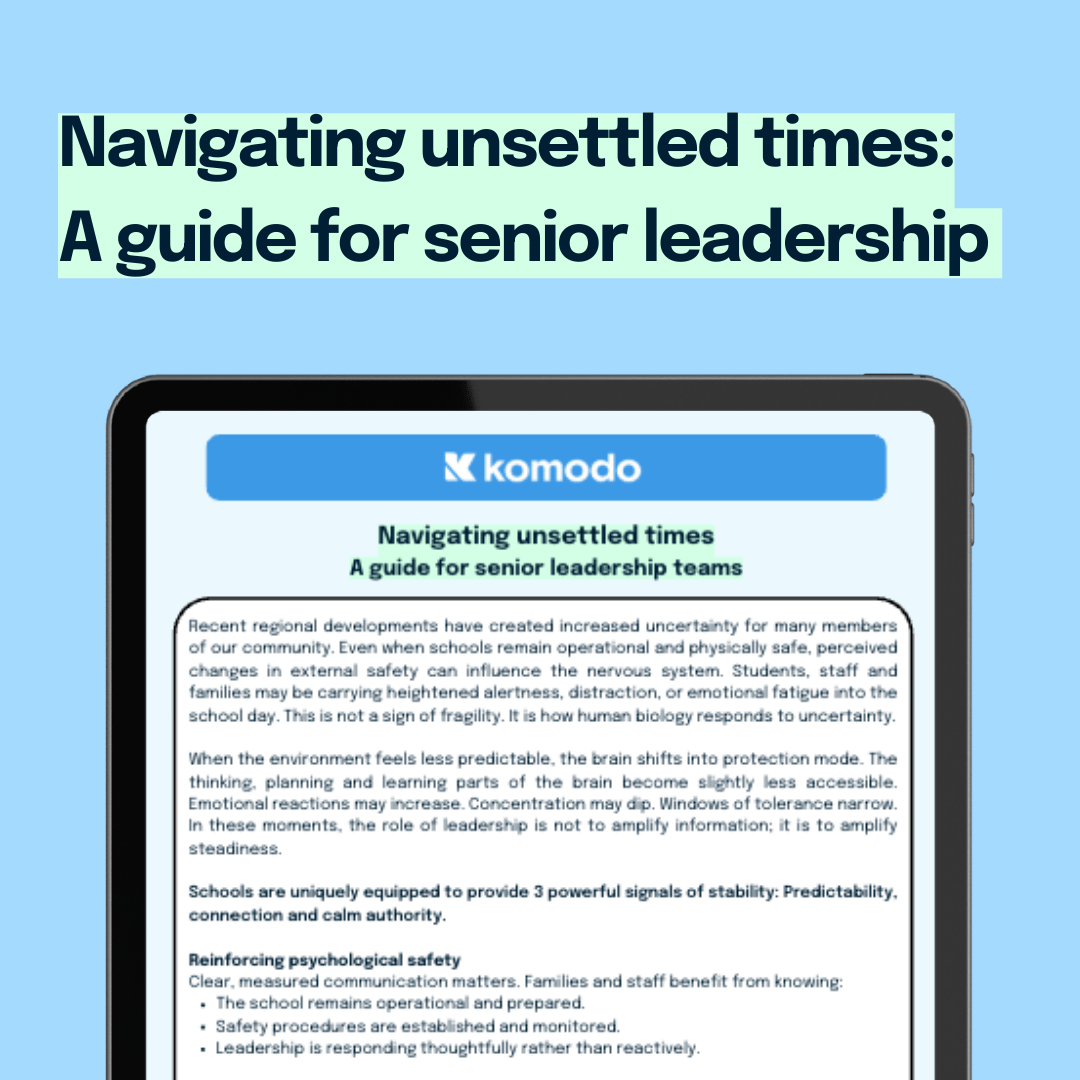
This guide is designed to support senior leadership teams when it comes to navigating times of uncertainty in the school community and identifies practical approaches to supporting wellbeing internally and externally for staff and students.
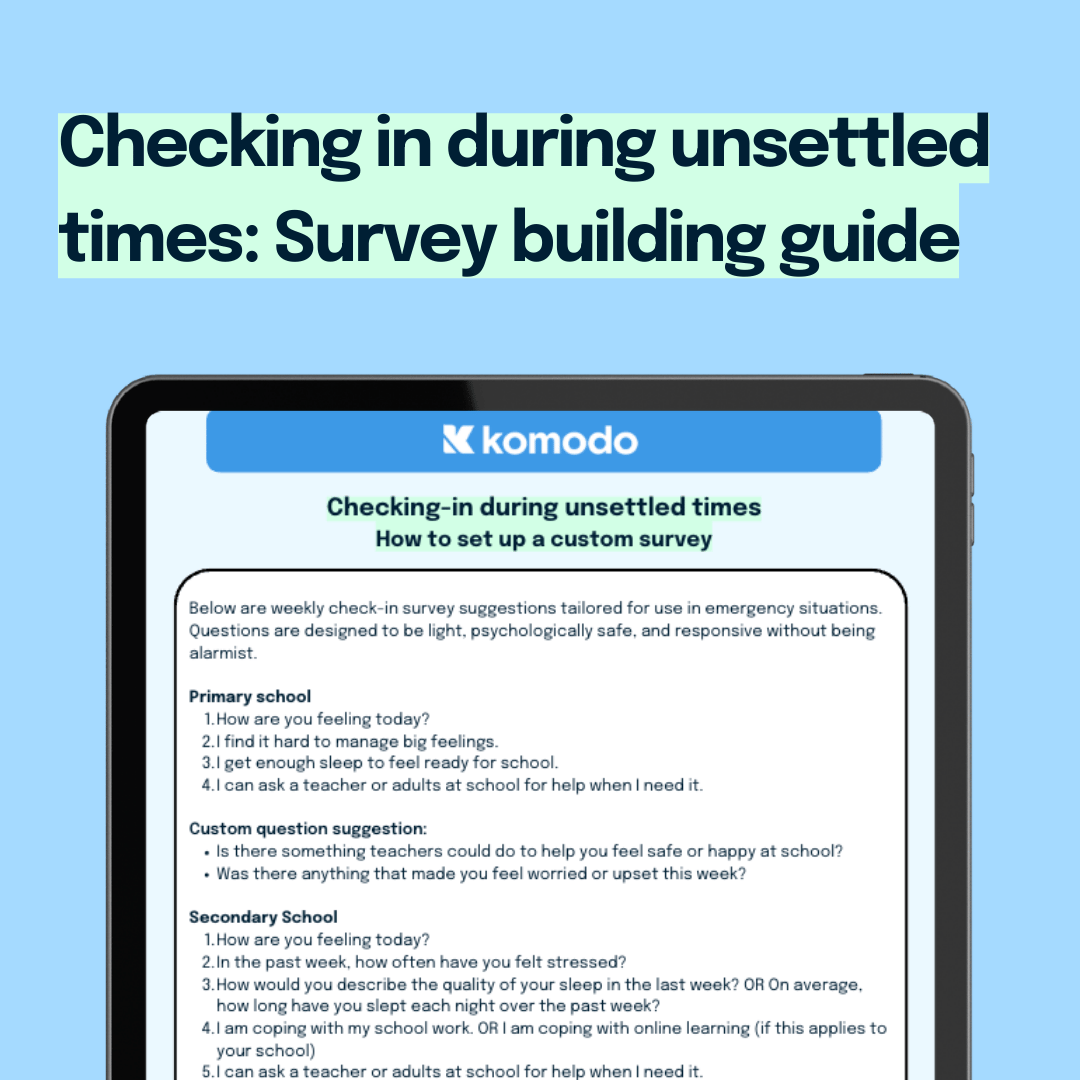
This simple guide contains recommended question library selections to build an accessible survey to use with both primary and secondary students in times of crisis. If you have any further questions, please reach out to the Komodo team. We are happy to help.
Jan 2026:
In this update, you will find:
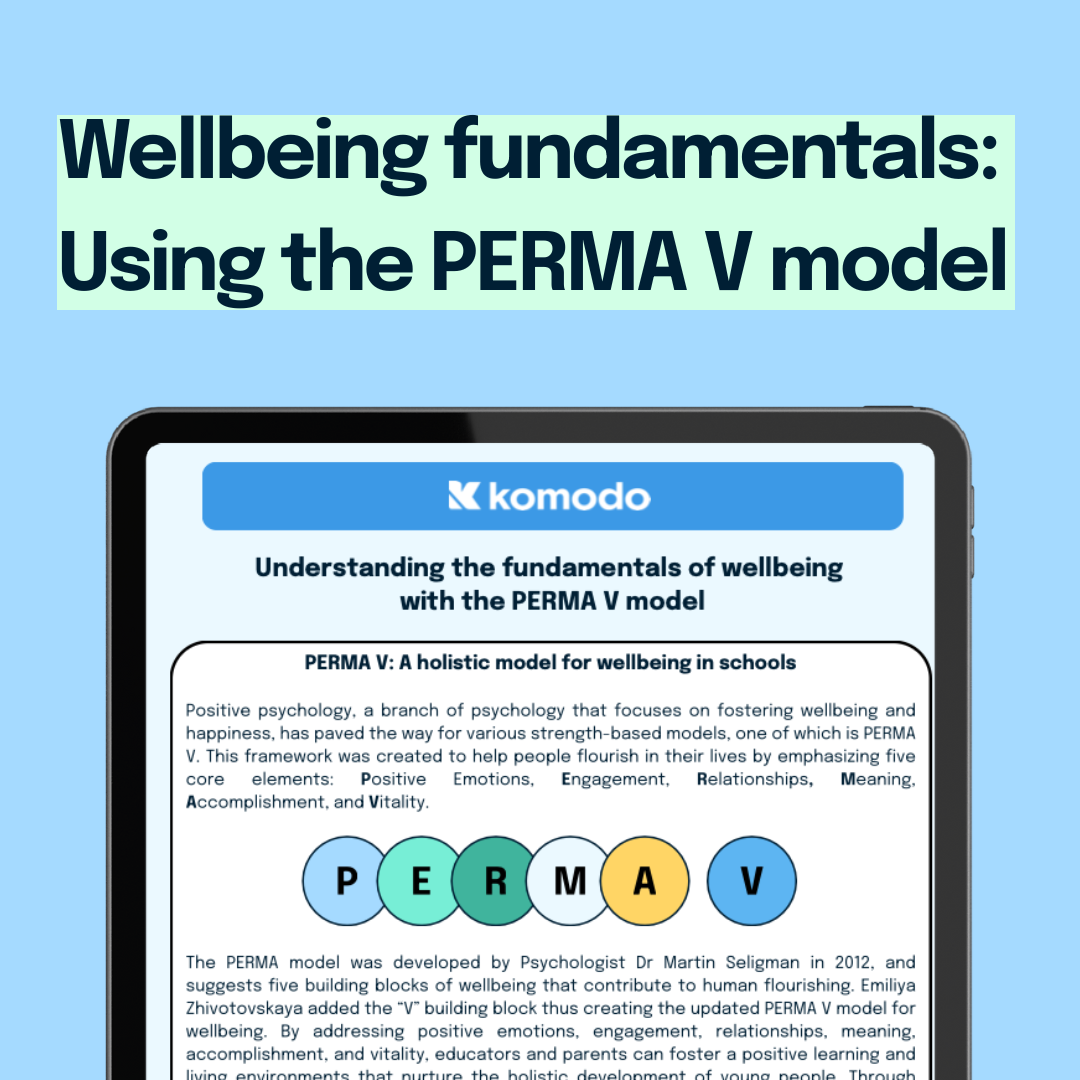
This guide introduces the PERMA V wellbeing model for primary and secondary students. It explains each element — Positive Emotion, Engagement, Relationships, Meaning, Accomplishment, and Vitality — and provides practical activities and strategies for staff to help students build resilience and thrive both in and out of the classroom. Ideal for staff skill-building and wellbeing programs.
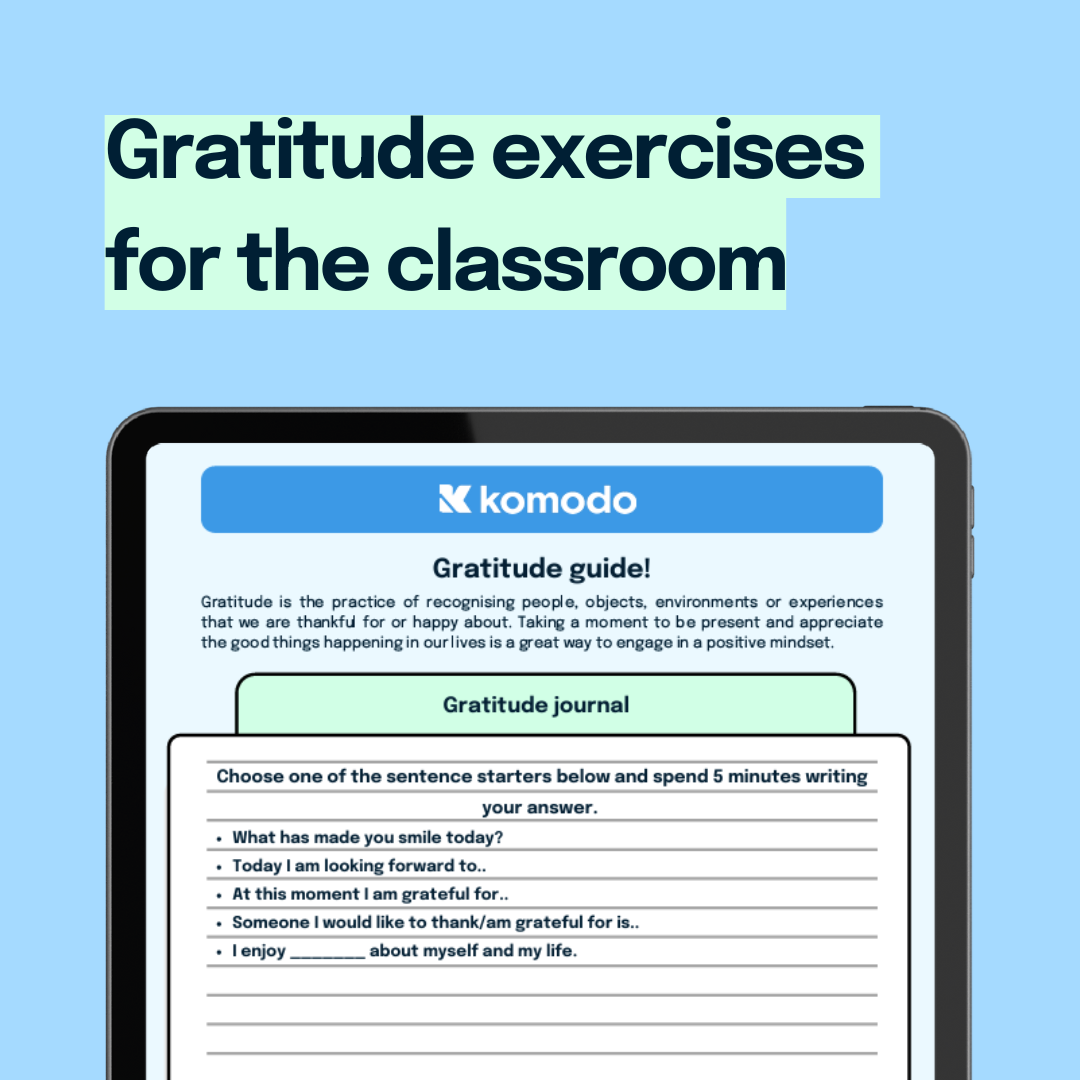
These gratitude activity worksheets are designed for primary and secondary students to help build appreciation, reflection, and positive thinking. They can be used during class, in wellbeing sessions, or individually, and support the development of emotional awareness and a more optimistic mindset. Ideal for everyday use or as part of a wider wellbeing program.
This resource introduces the Window of Tolerance model to help educators understand and support student stress and regulation. Aimed at primary and secondary settings, it can be used for staff skill building, in-class strategies, or early intervention planning. It explains signs of students being outside their window and offers practical ways to help them return to a calm, focused state.
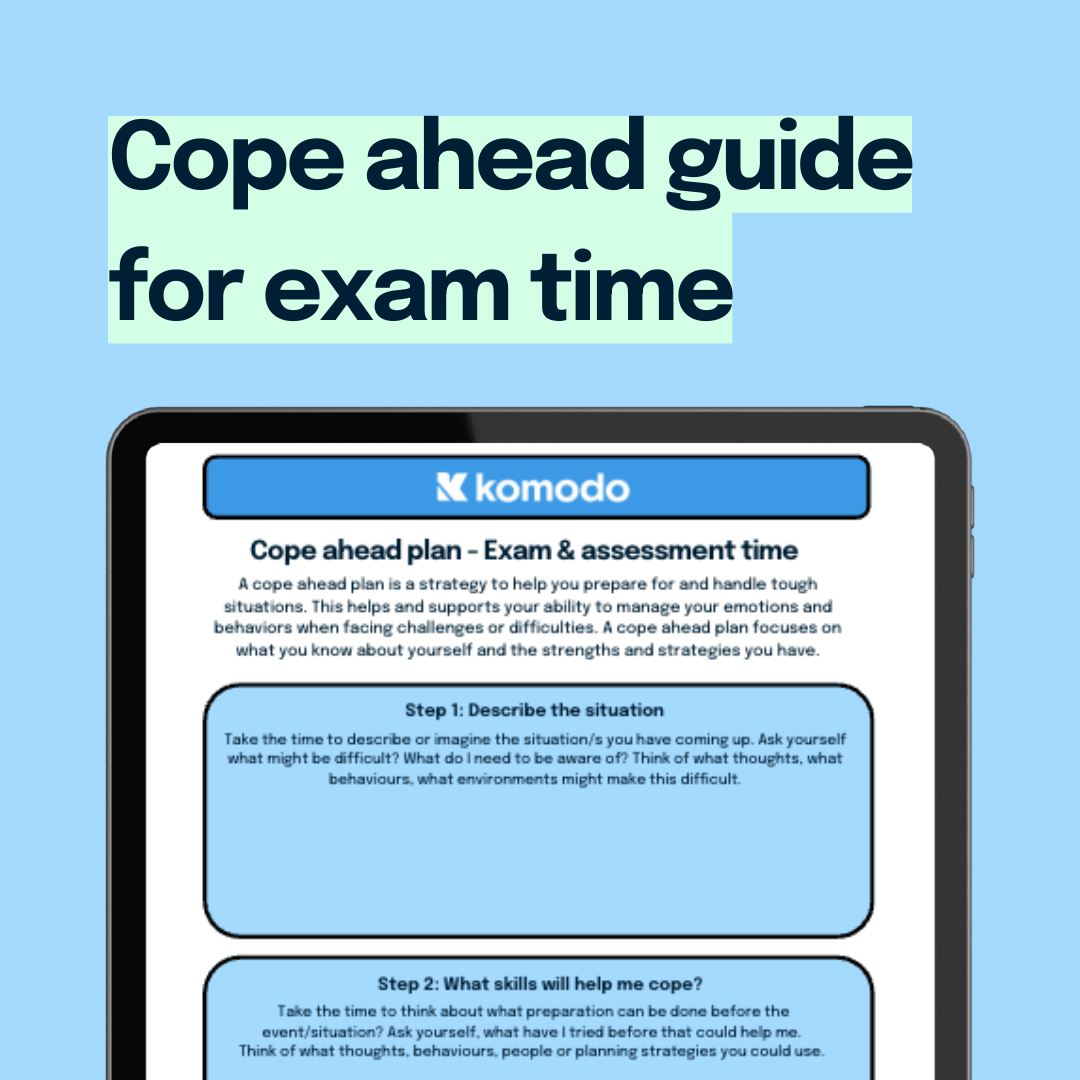
This resource supports secondary school students to create a cope ahead plan for managing exam and assessment stress. It can be used in class or individually, as a prevention or early intervention strategy. The plan helps students identify triggers, coping tools, and support options, promoting emotional regulation and preparedness during high-stress periods.
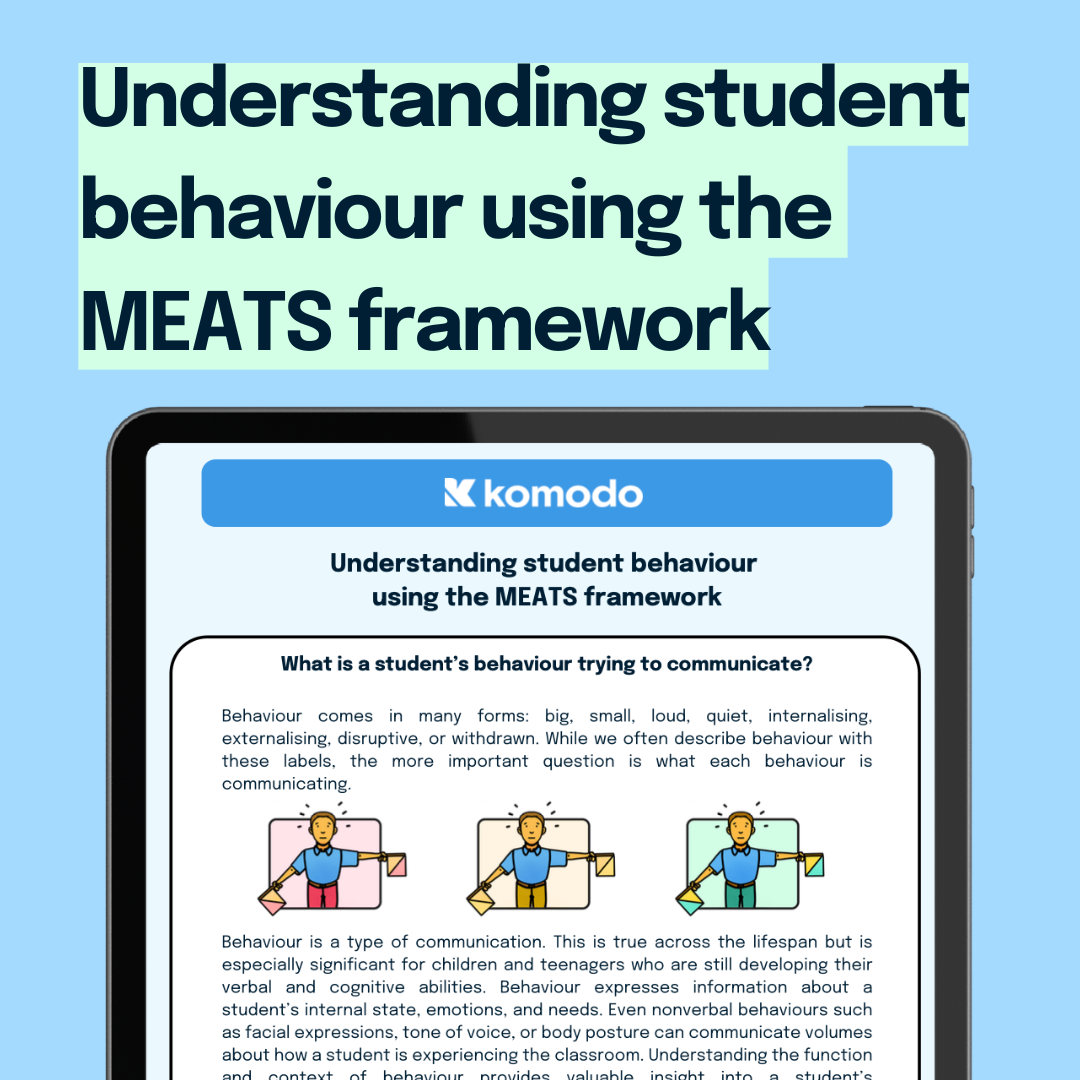
This resource introduces the MEATS framework to help staff understand and respond to student behaviours in primary and secondary settings. It breaks down common behavioural influences, providing a clear, practical tool for effective behaviour support and intervention —ideal for staff skill building and improving classroom management.
This blog introduces cognitive defusion as a gentle strategy to help primary and secondary students manage tricky thoughts and feelings. It explains the concept in simple terms and offers ideas for how staff can support students to notice their thoughts without getting stuck in them. A helpful tool for everyday classroom wellbeing.
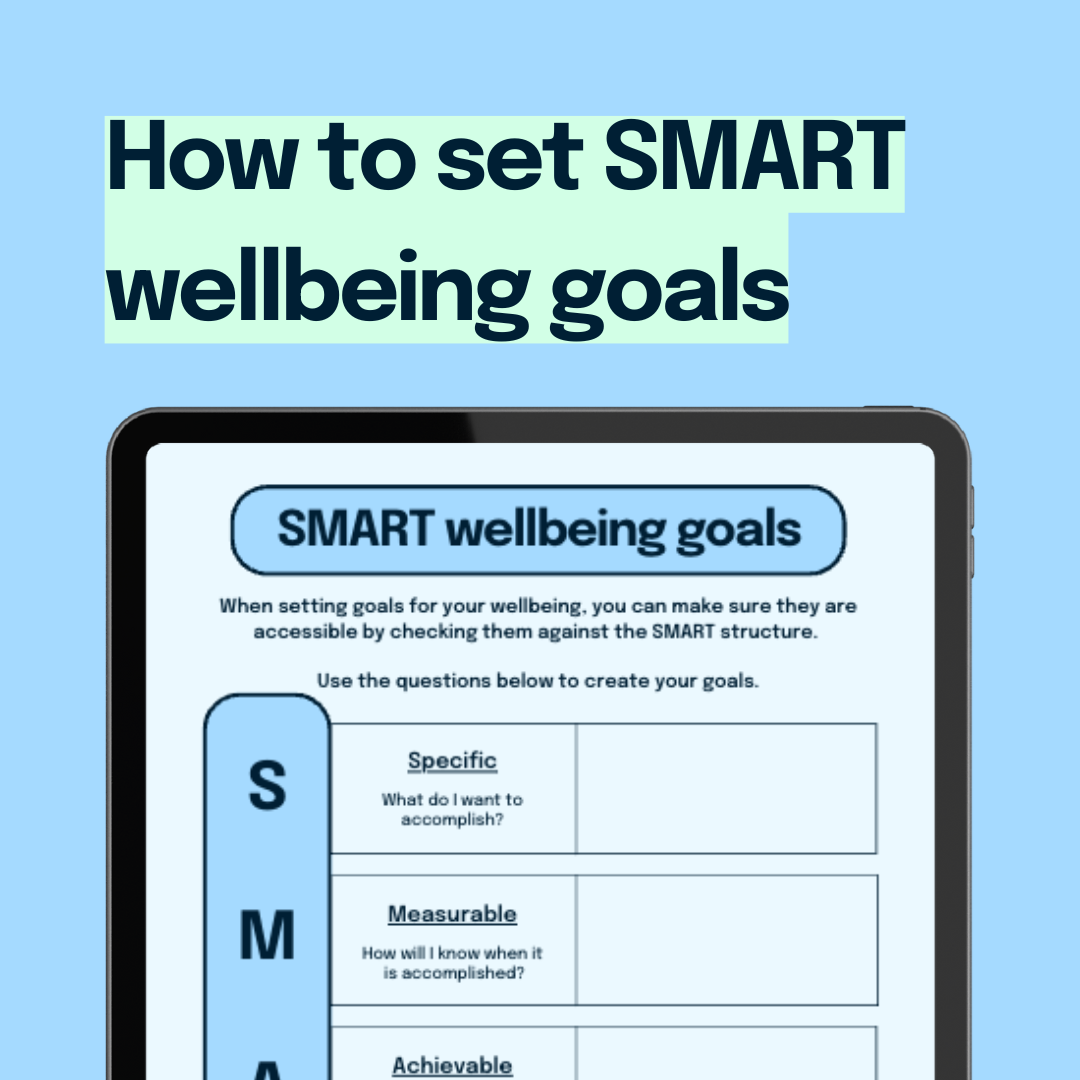
This SMART Goals worksheet supports secondary school students to set clear, achievable goals for learning, wellbeing, or personal development. It can be used in class or one-on-one as part of goal setting, motivation, or early intervention work. Designed to help students break down goals into manageable steps and track progress.
This blog introduces sensory modulation strategies for staff to support student regulation in primary and secondary settings. It covers how sensory needs impact behaviour and learning, and offers practical, classroom-friendly strategies to help students stay calm, focused, and ready to learn. Ideal for staff development and inclusive practice.
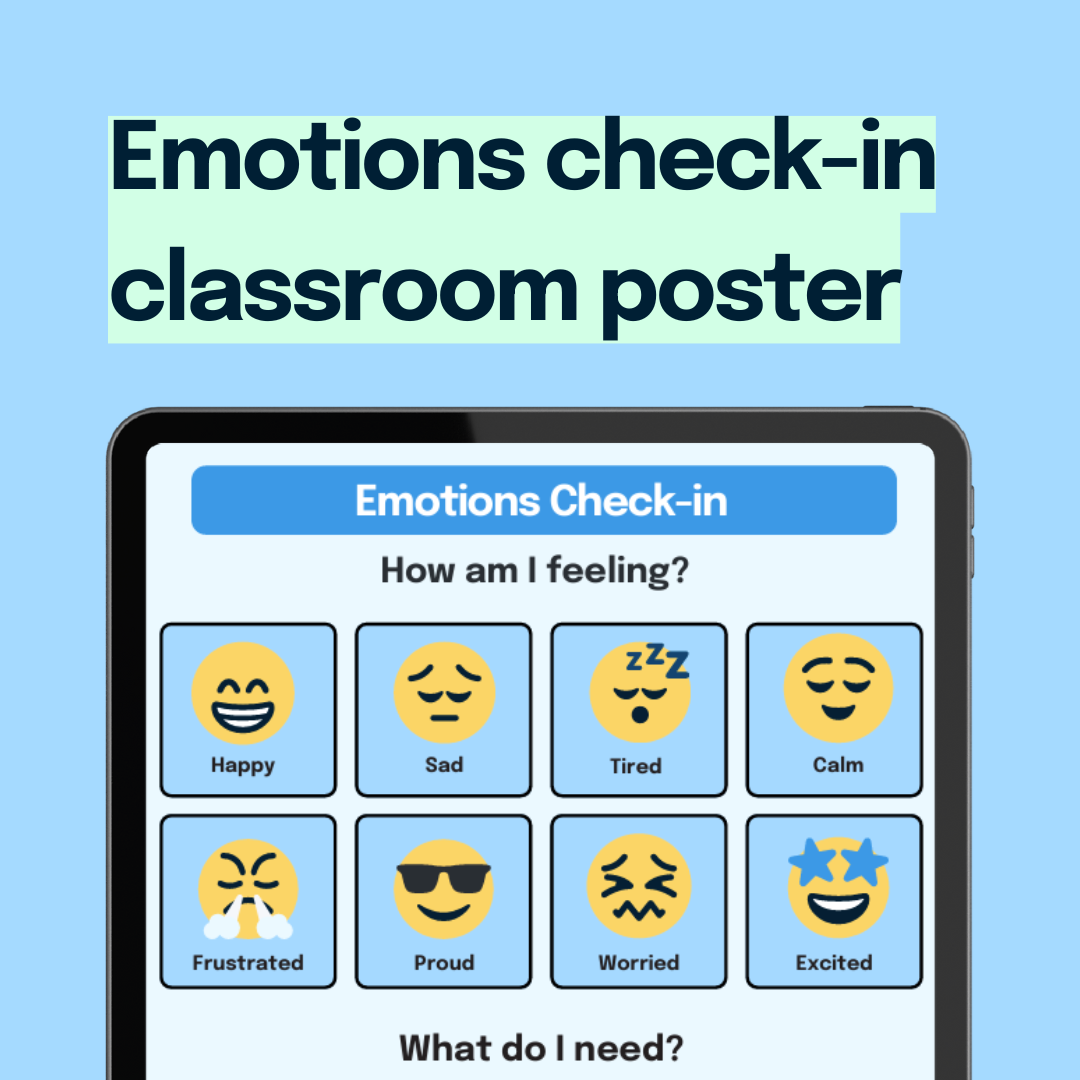
This emotion check-in poster is designed for primary students to support daily emotional awareness and expression. Featuring child-friendly visuals and language, it can be used as part of morning routines, transitions, or individual support. Ideal for building emotional literacy and creating a supportive classroom environment.
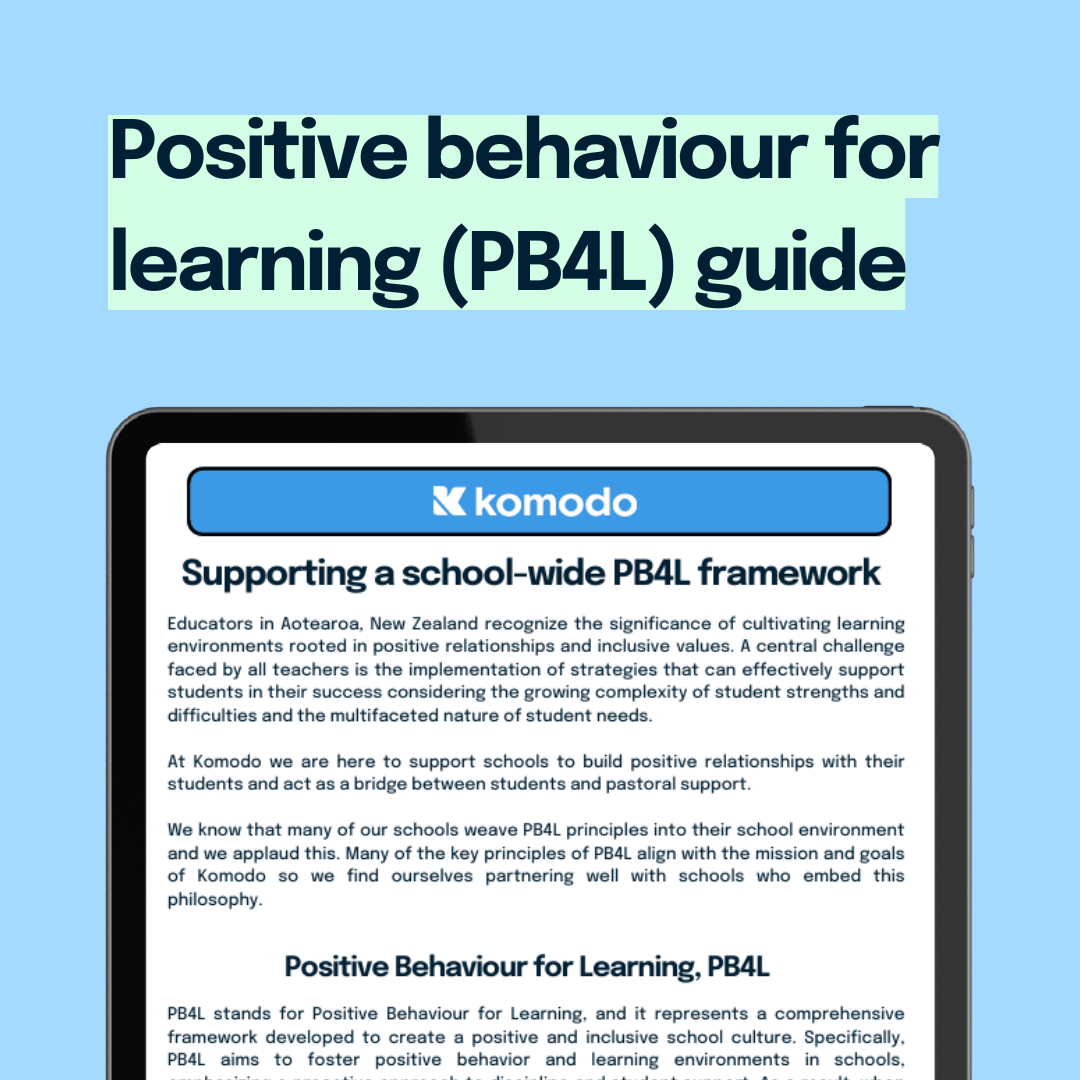
This guide provides an overview of the PB4L (Positive Behaviour for Learning) framework for primary and secondary schools. It explains key principles and strategies to promote positive behaviour, create supportive learning environments, and improve student engagement. Designed for staff skill-building and whole-school wellbeing initiatives.
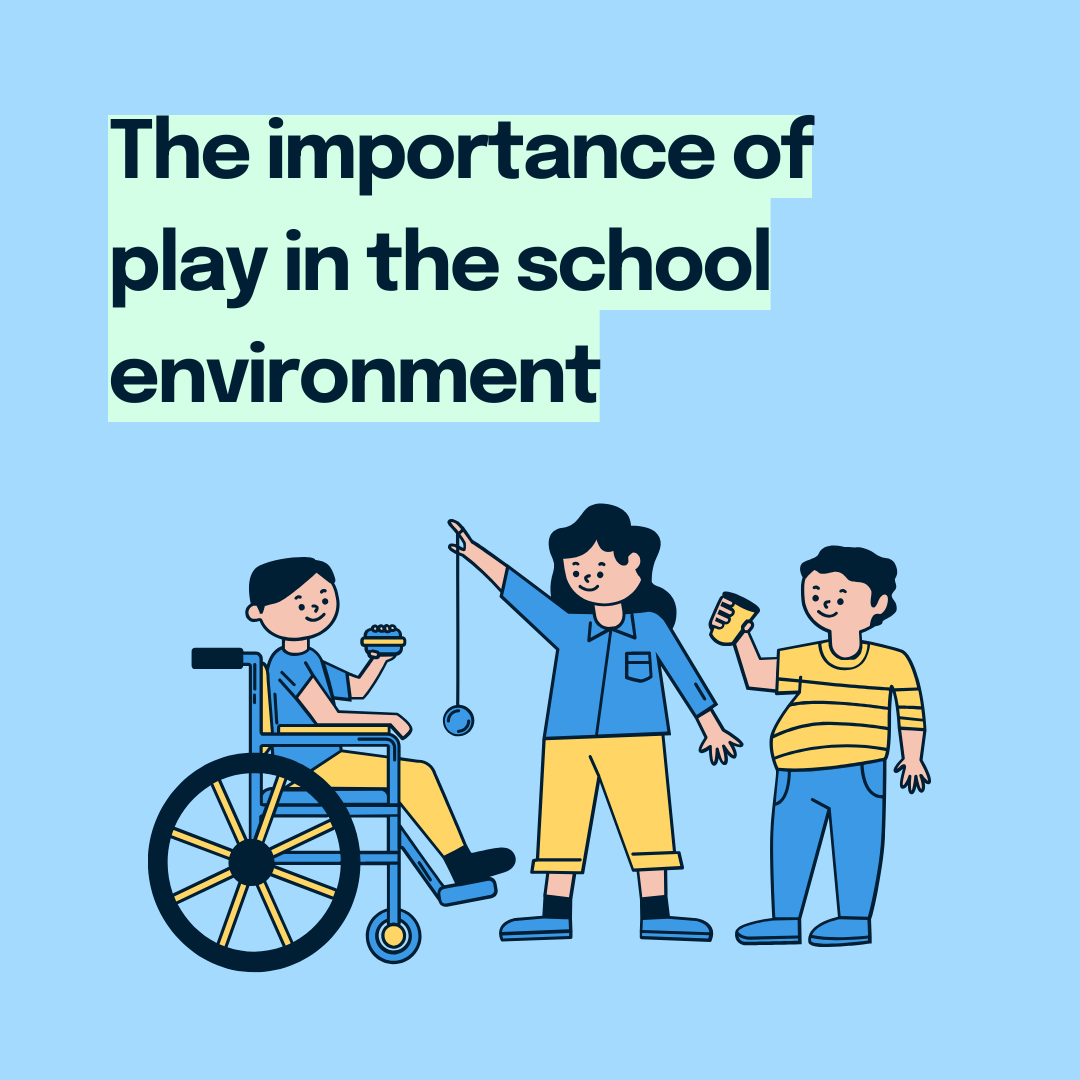
This blog explores the roots of Parent-Child Interaction Therapy (PCIT) and its emphasis on the importance of play for primary school students, highlighting the power of student-directed activities and their role in social, emotional, and cognitive development. It offers insights and practical ideas for staff to incorporate play-based learning and support free play in the classroom and playground. Great for staff development and promoting holistic wellbeing.
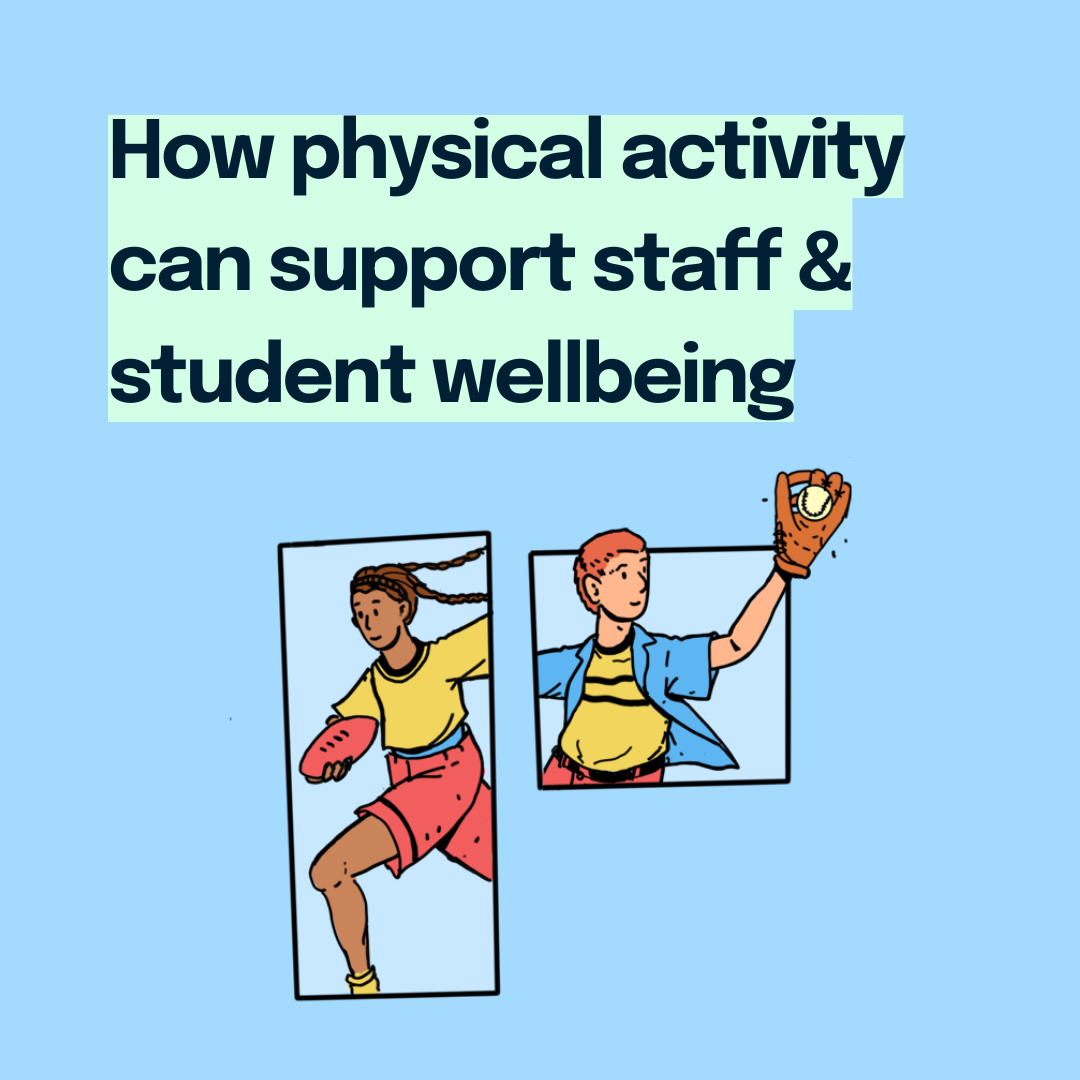
This resource highlights the link between physical activity and mental wellbeing for secondary students and staff wellbeing. It explains how movement can reduce stress and improve focus, offering simple ideas to incorporate activity into daily routines. Ideal for supporting mental health and resilience.
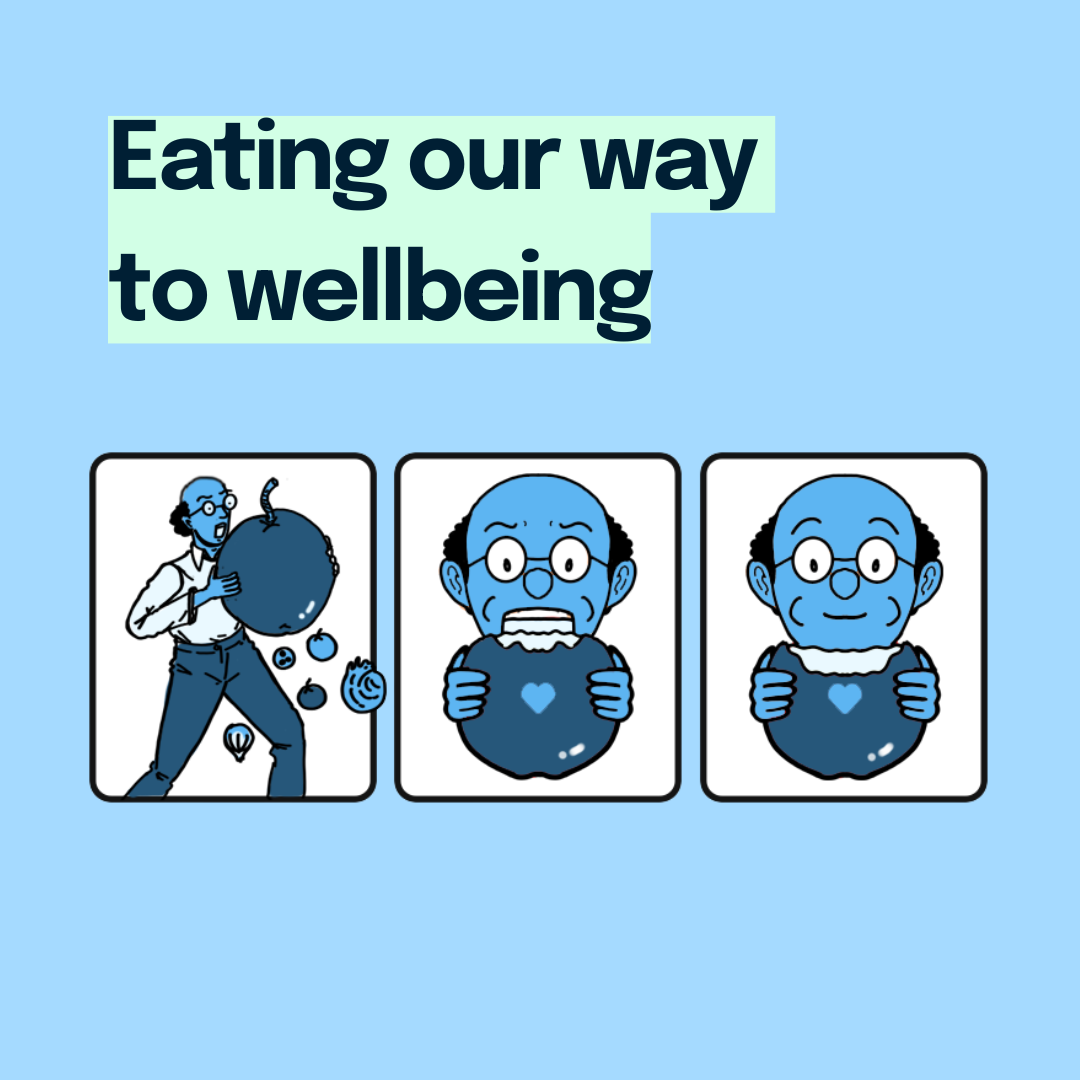
This blog explains the link between diet and mental wellbeing for secondary students and staff. It highlights how balanced meals support mood and energy, encouraging a flexible, balanced approach to eating. Ideal for promoting overall wellbeing.
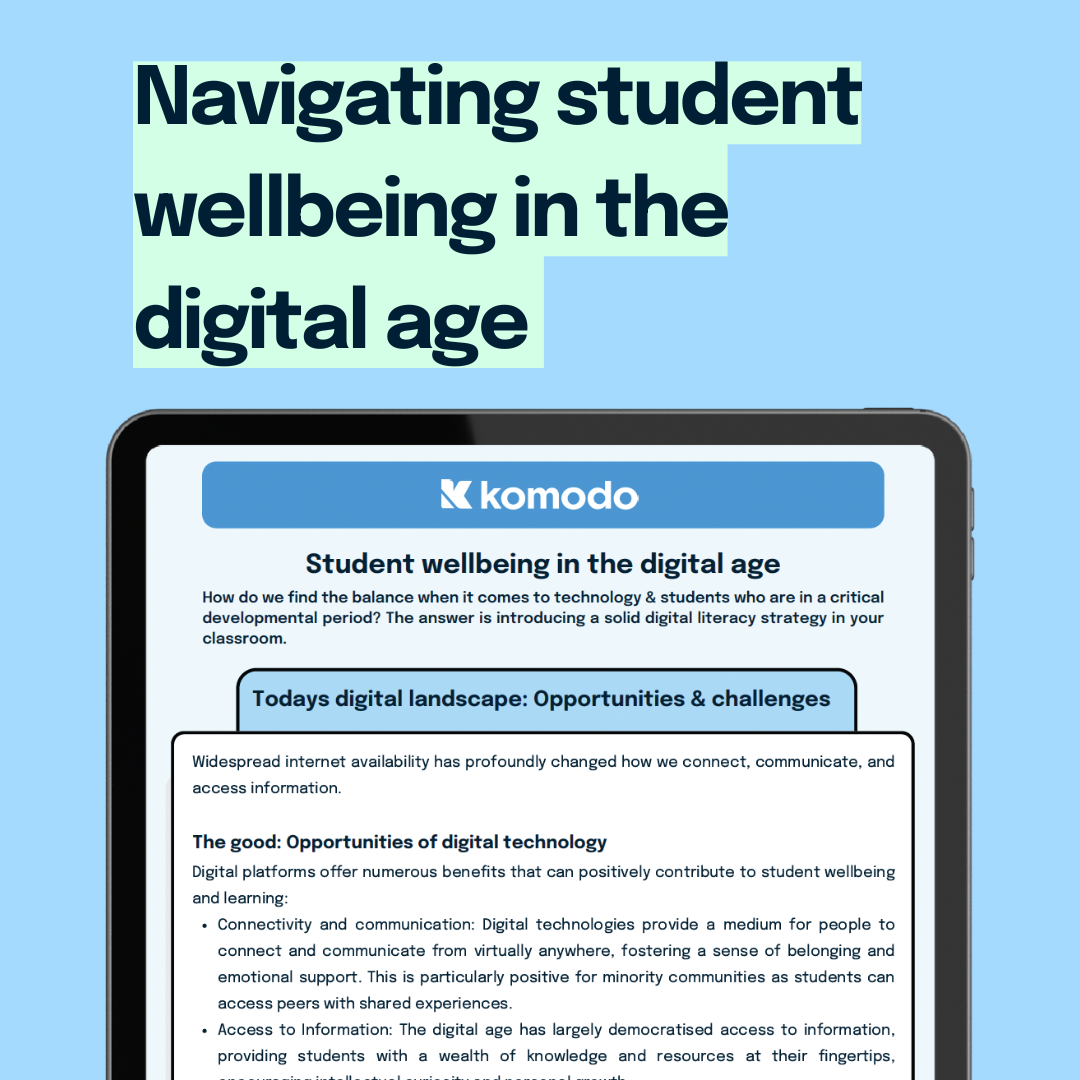
The digital age presents both transformative opportunities and complex challenges for students, educators, and families. This comprehensive professional development resource guides educators through the steps to achieving digital wellbeing success for primary and secondary students, consolidating key information on digital wellbeing and literacy to help teachers equip students to navigate today's digital landscape safely and responsibly.
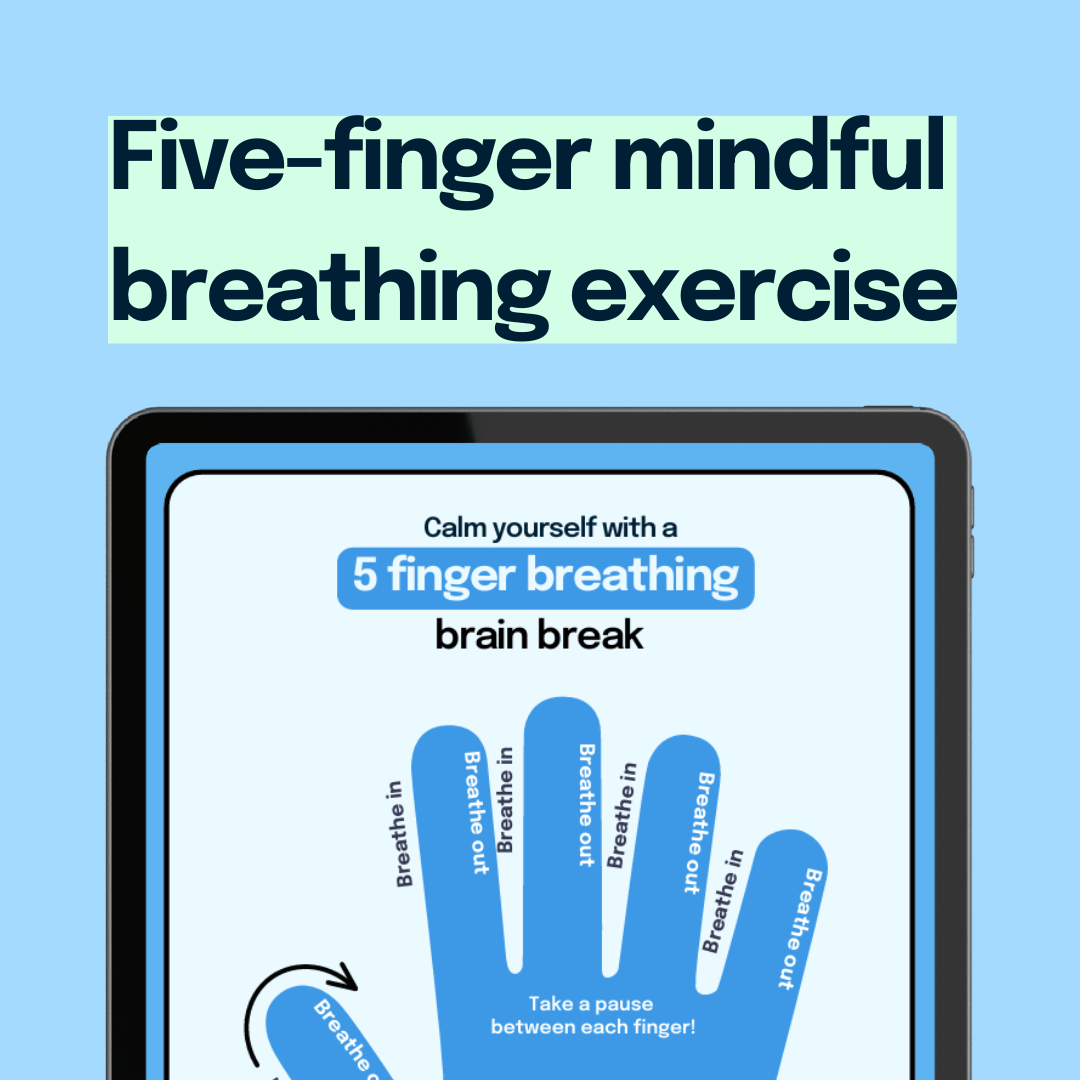
This resource teaches five-finger breathing for primary students. It can be used in class, in groups, or one-on-one, as a prevention or early intervention tool. Ideal for calming, self-regulation, or emotional check-ins, it’s simple to use anytime during the school day.
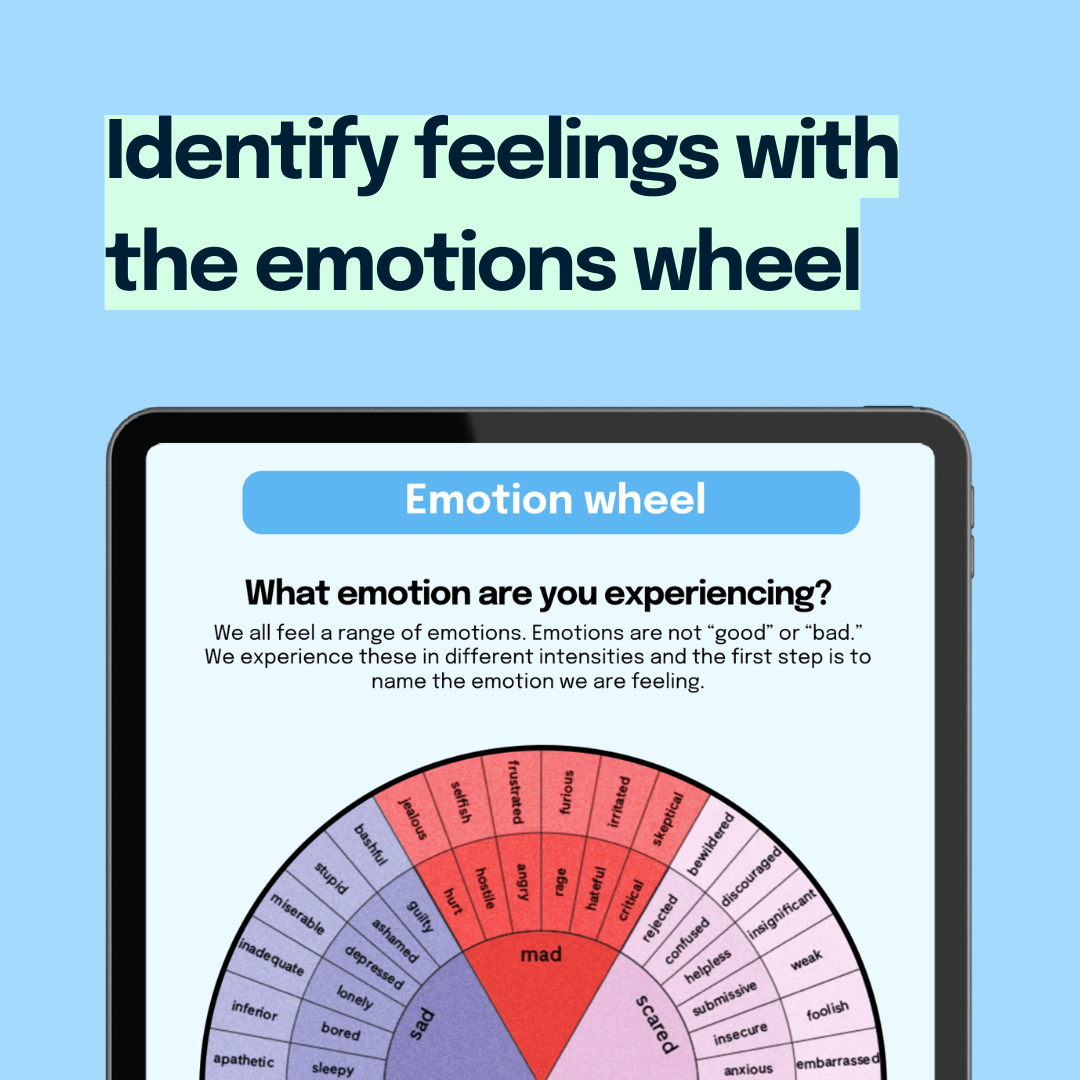
This resource introduces the emotion wheel as a tool to help primary and secondary students identify and understand a wide range of emotions. It supports emotional literacy by expanding students’ vocabulary and awareness of feelings. Ideal for classroom use and social-emotional learning activities.
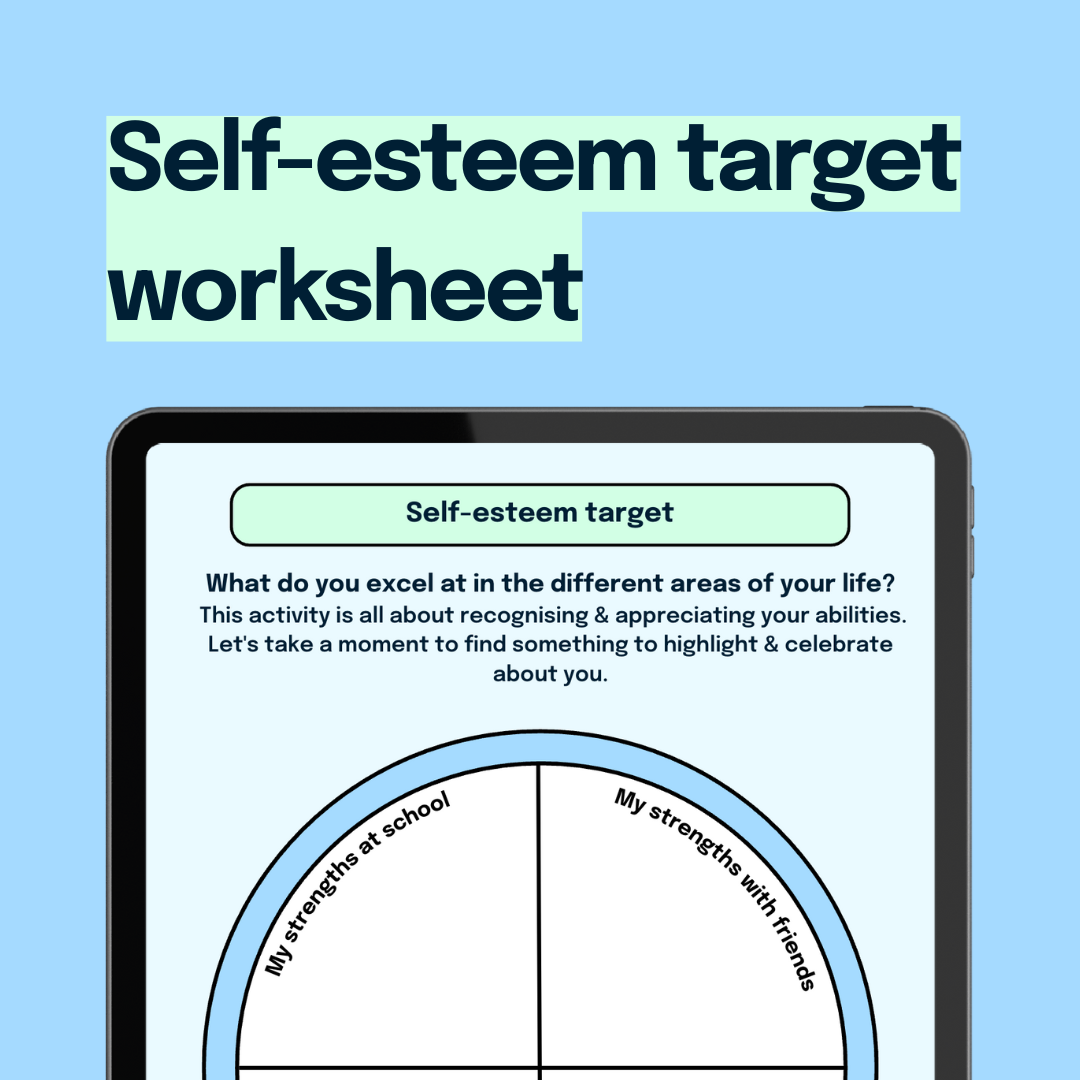
This classroom activity supports secondary students in developing healthy self-esteem by helping them recognise their strengths, celebrate achievements, and build confidence. It encourages positive self-talk, resilience, and a growth mindset. Ideal for use in wellbeing lessons or as part of ongoing social-emotional learning.
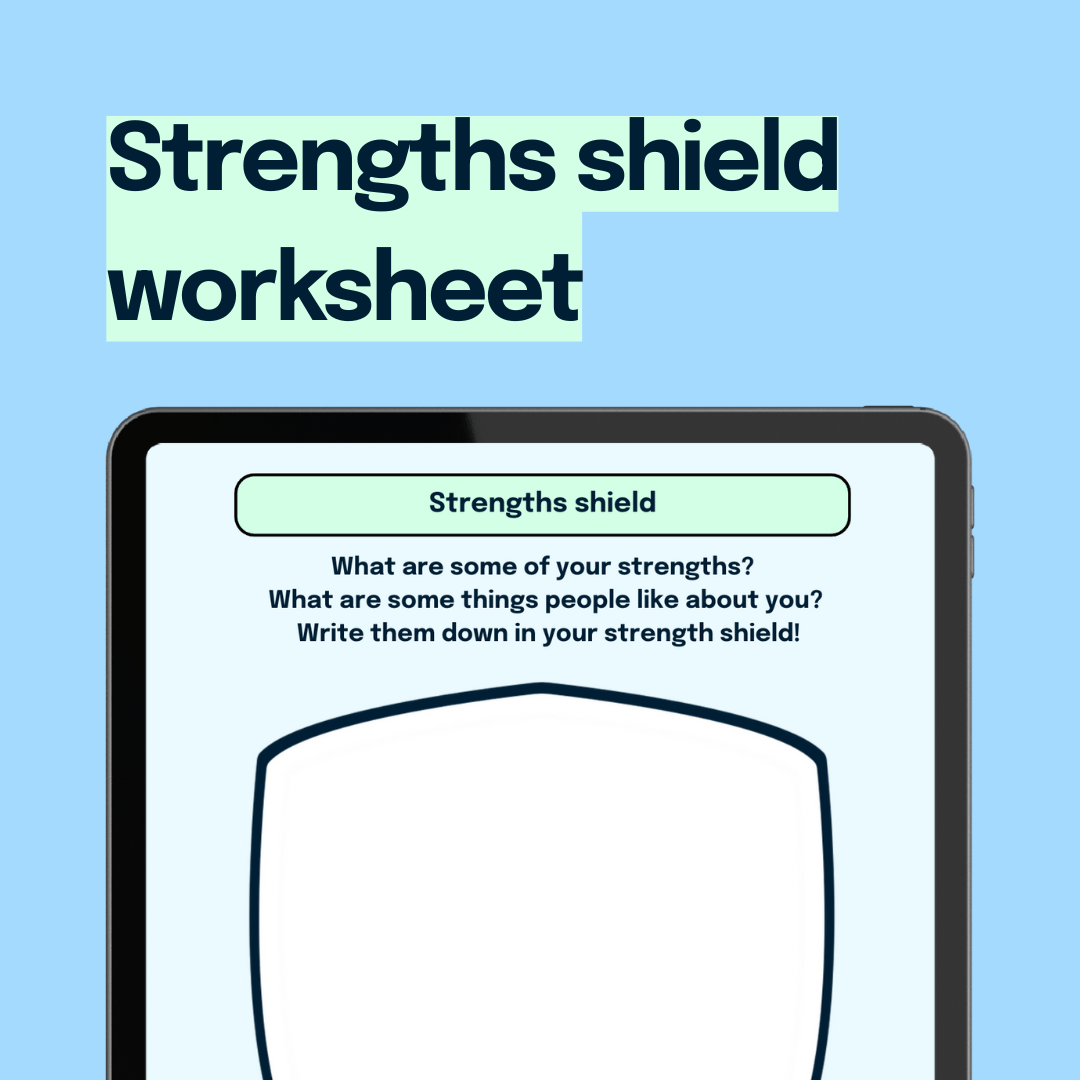
This strengths shield activity is designed for primary students to help them identify and celebrate their personal strengths. Using a fun, visual format, students create a “shield” that showcases qualities like kindness, creativity, and courage. Great for building confidence, self-awareness, and a positive classroom culture.
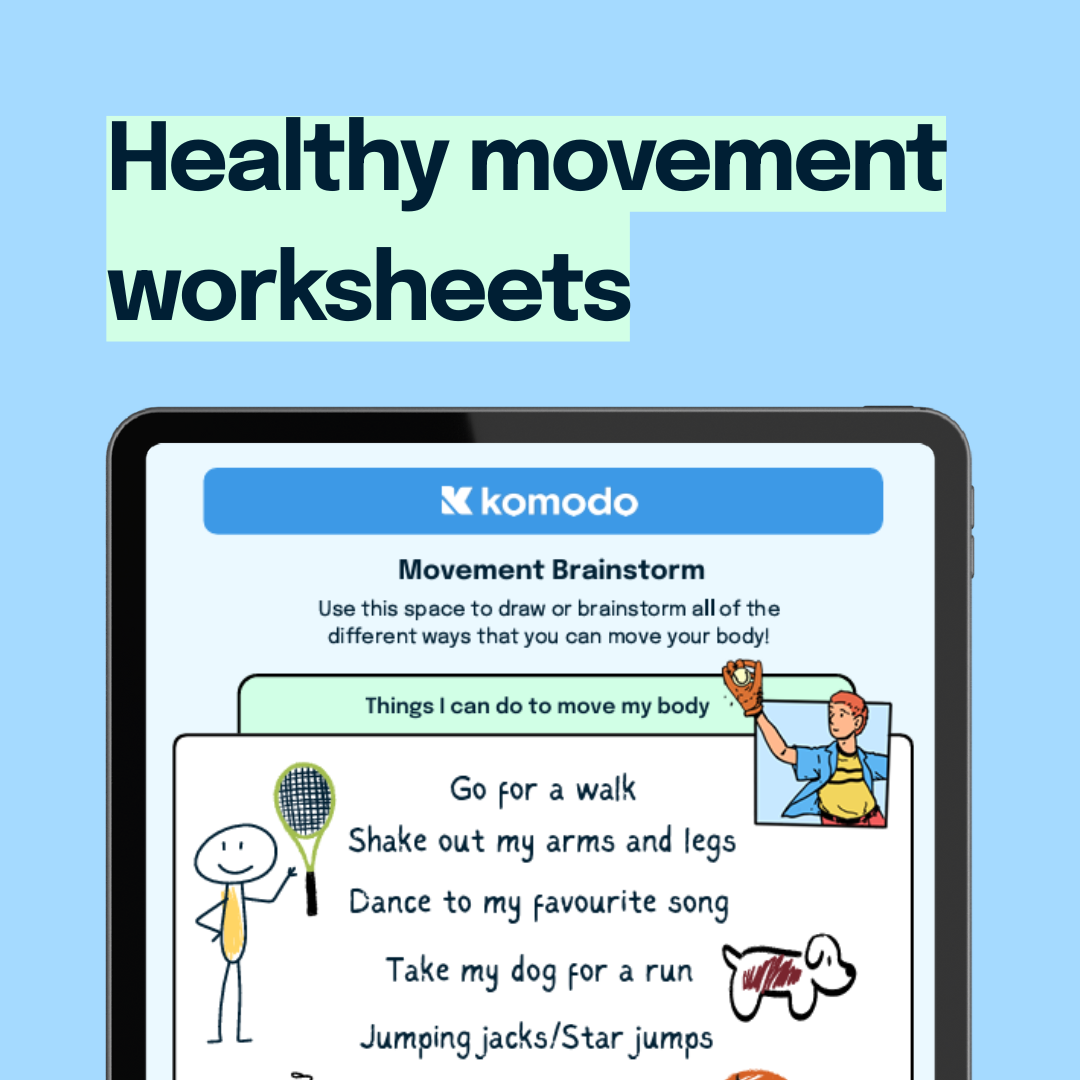
These movement worksheets are designed for primary and secondary students to encourage physical activity and support emotional regulation. They include ideas for alerting and calming movements. Ideal for classroom use or individual wellbeing support to boost focus and mood.
This blog explores the practice of gratitude at school with primary and secondary students as a way to support wellbeing, positive relationships, and a growth mindset. It includes simple ideas for classroom routines, group activities, or individual reflection. Great for building a positive classroom culture and everyday emotional resilience.
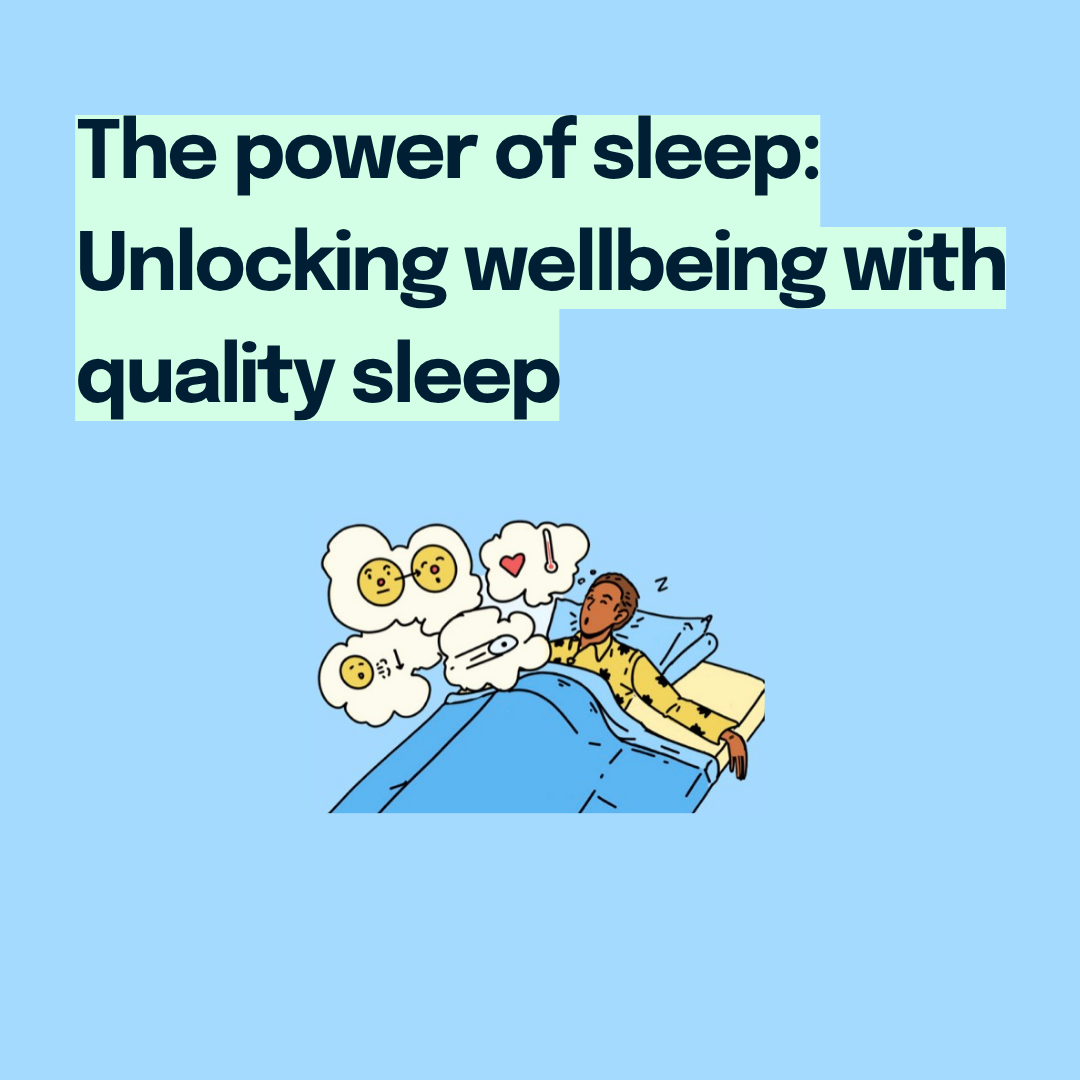
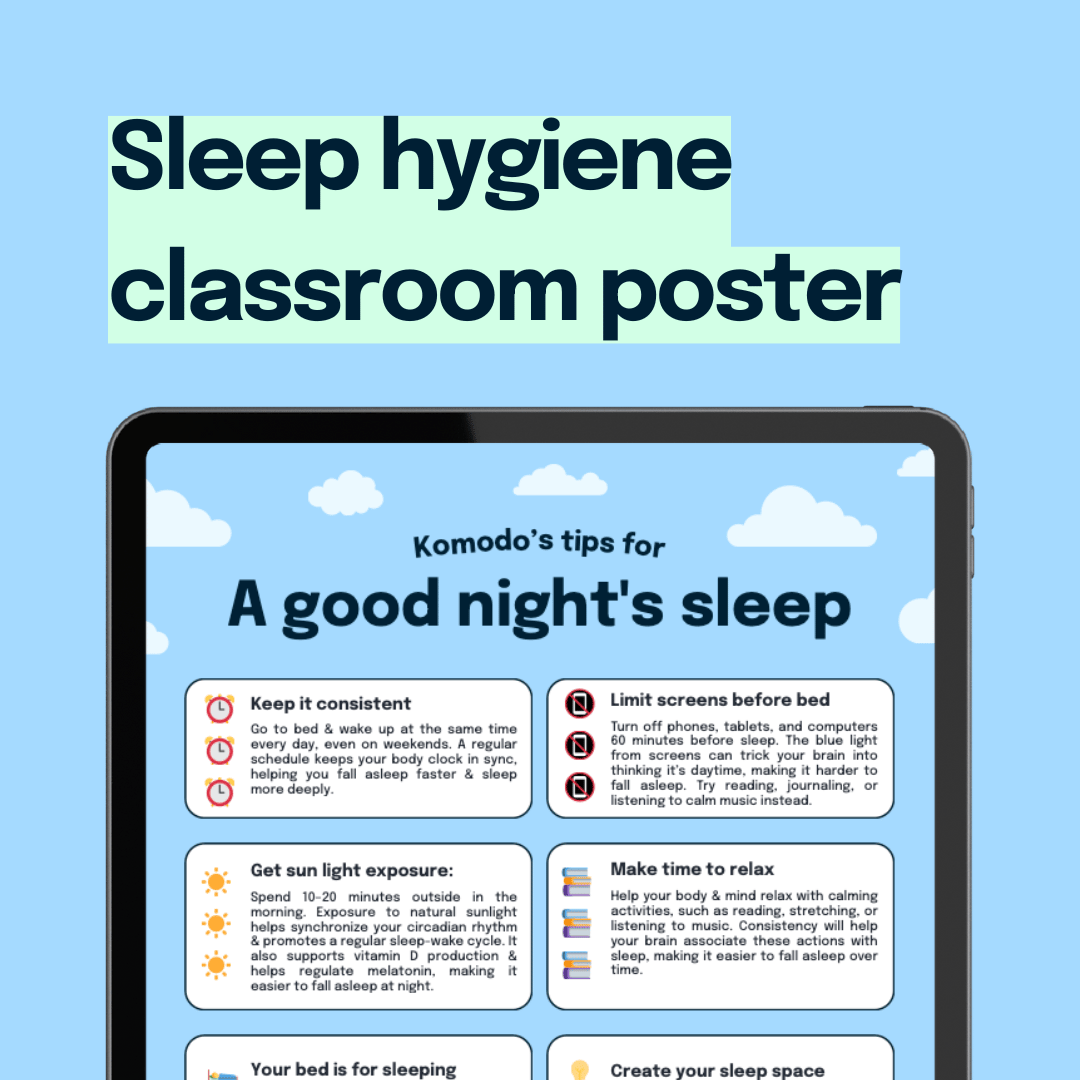
This blog highlights the critical role of sleep in student wellbeing, focusing on the impact of sleep quality and habits on mental health, learning, and emotional regulation. It provides evidence-based insights and practical strategies to help students understand and improve their sleep routines. Suitable for both primary and secondary settings, this guide is intended for teacher skill building and can also support classroom conversations around sleep and self-care.
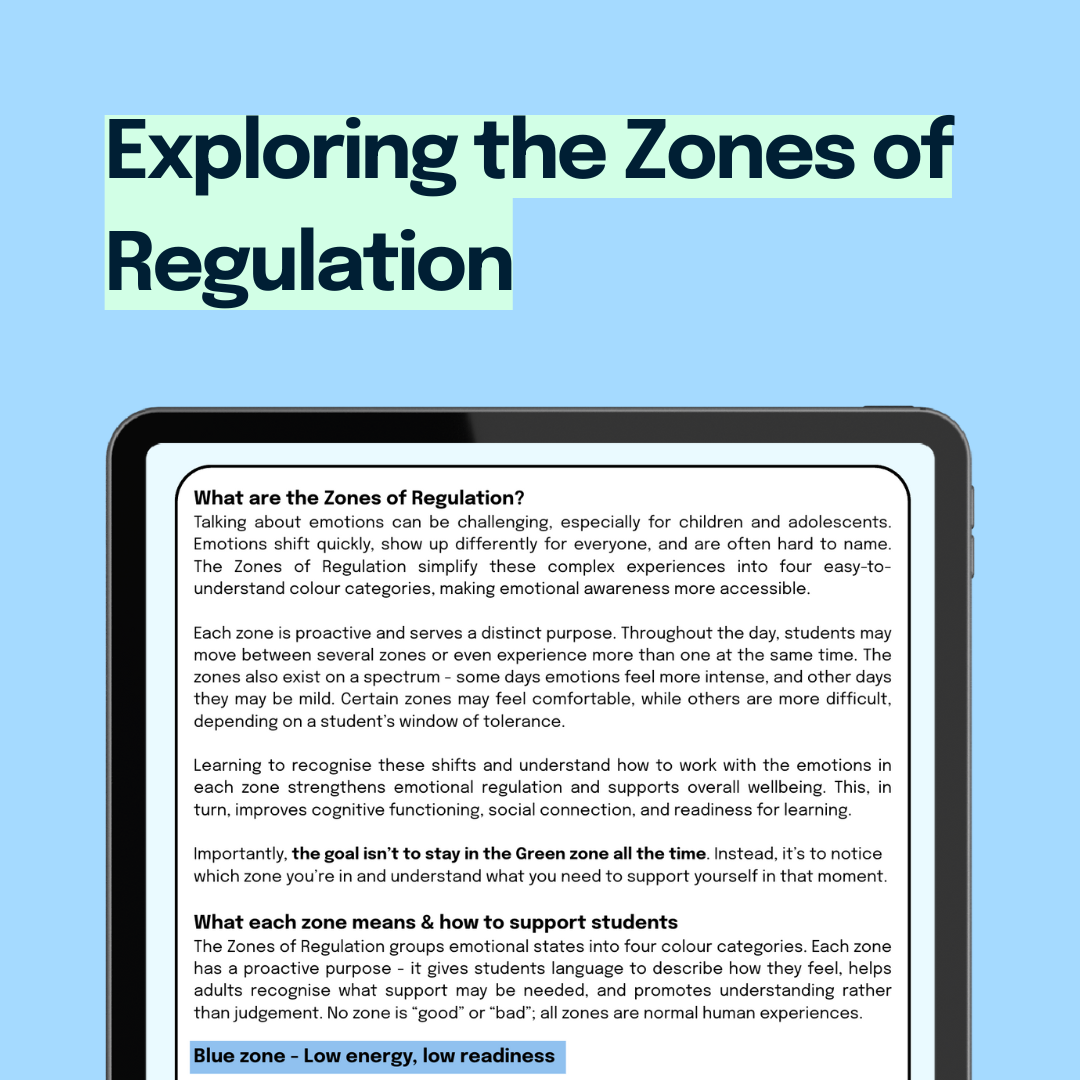
This resource covers the Zones of Regulation for primary and secondary students, explaining four emotional zones and their impact on wellbeing. It highlights how understanding these zones supports emotional regulation and addresses challenges in learning and social interaction.
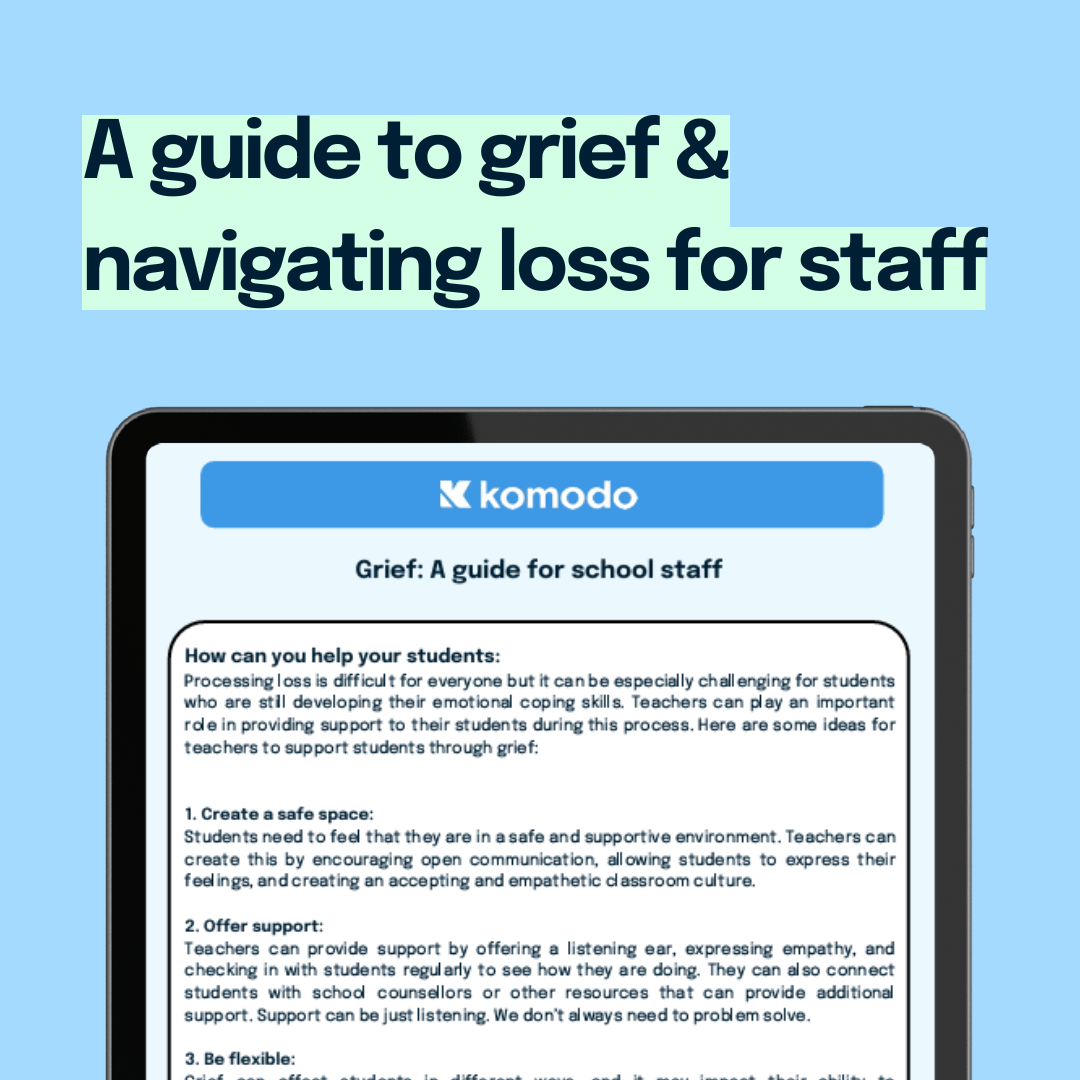
This grief guide supports staff in managing their own experiences of loss while continuing to care for their students. It offers practical strategies for self-care, processing grief, and balancing personal wellbeing with professional responsibilities. Ideal for promoting staff wellbeing during difficult times.
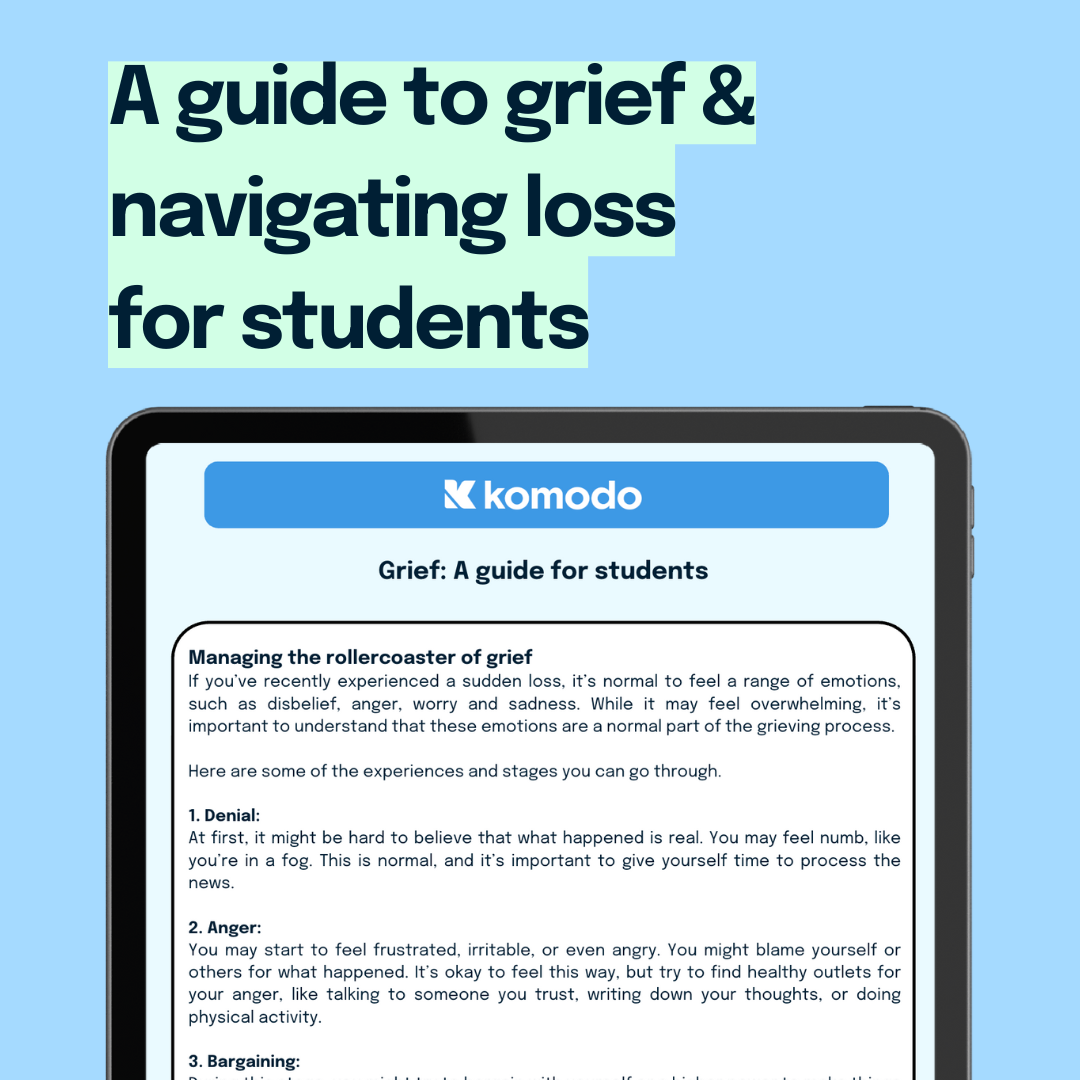
This grief guide supports primary and secondary students in understanding and coping with loss. It offers age-appropriate explanations of grief, normalises emotional responses, and provides practical strategies for managing feelings. Suitable for use in classrooms or individual support during times of bereavement.
This poster provides 7 practical steps for better sleep, designed for students to improve wellbeing, focus, and emotional balance. It explains simple habits, routines, and environmental tips that support healthy sleep every day.
This blog explores the importance of belonging and connection for primary and secondary students. It highlights how strong relationships and a sense of inclusion support wellbeing, engagement, and learning. Ideal for teachers looking to foster a connected and supportive classroom environment.
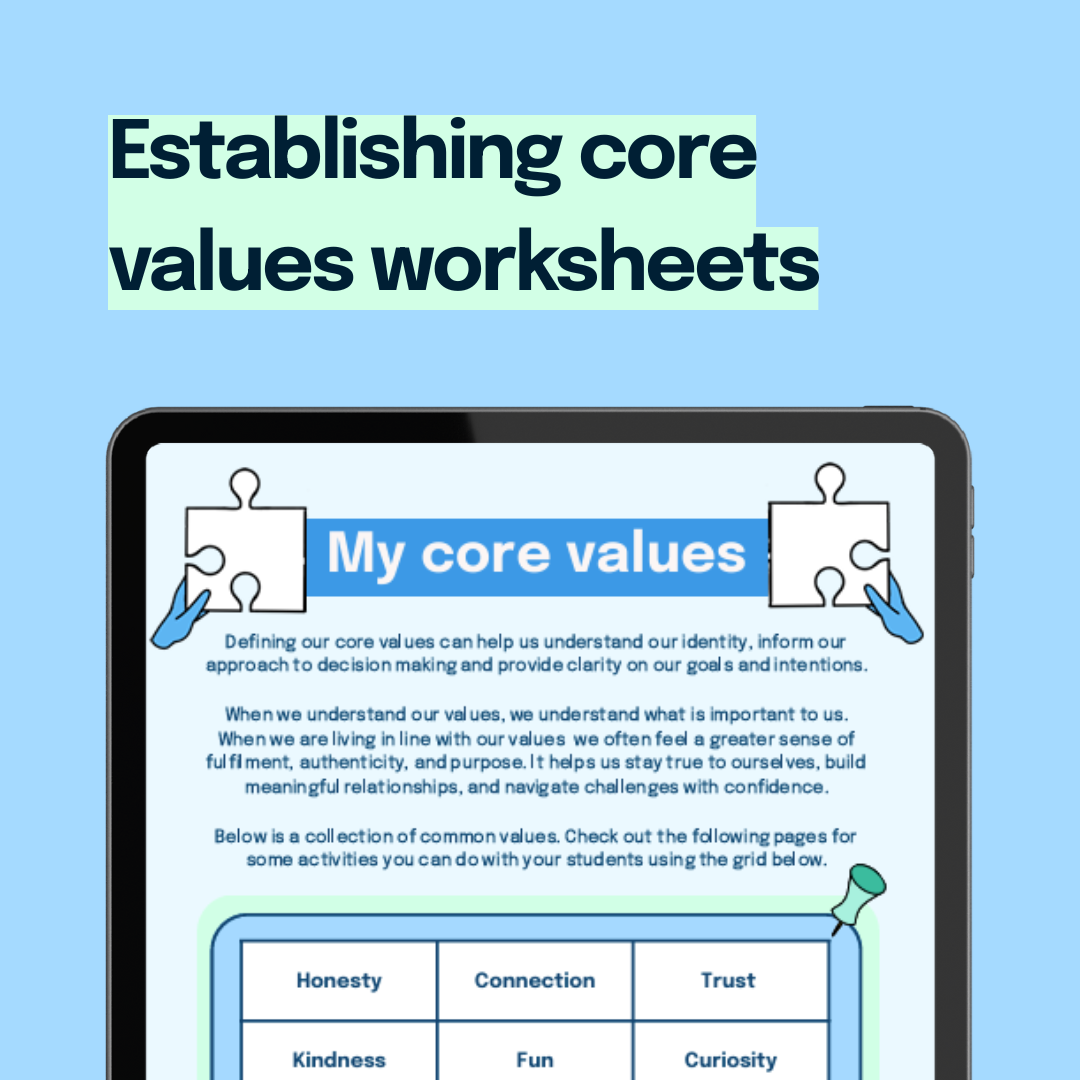
This resource introduces core values and why they matter for student wellbeing, behaviour, and decision-making. It includes clear information and interactive exercises to help students identify what matters to them and how they can use their values to guide choices, relationships, and responses to challenges. Designed for primary and secondary students.
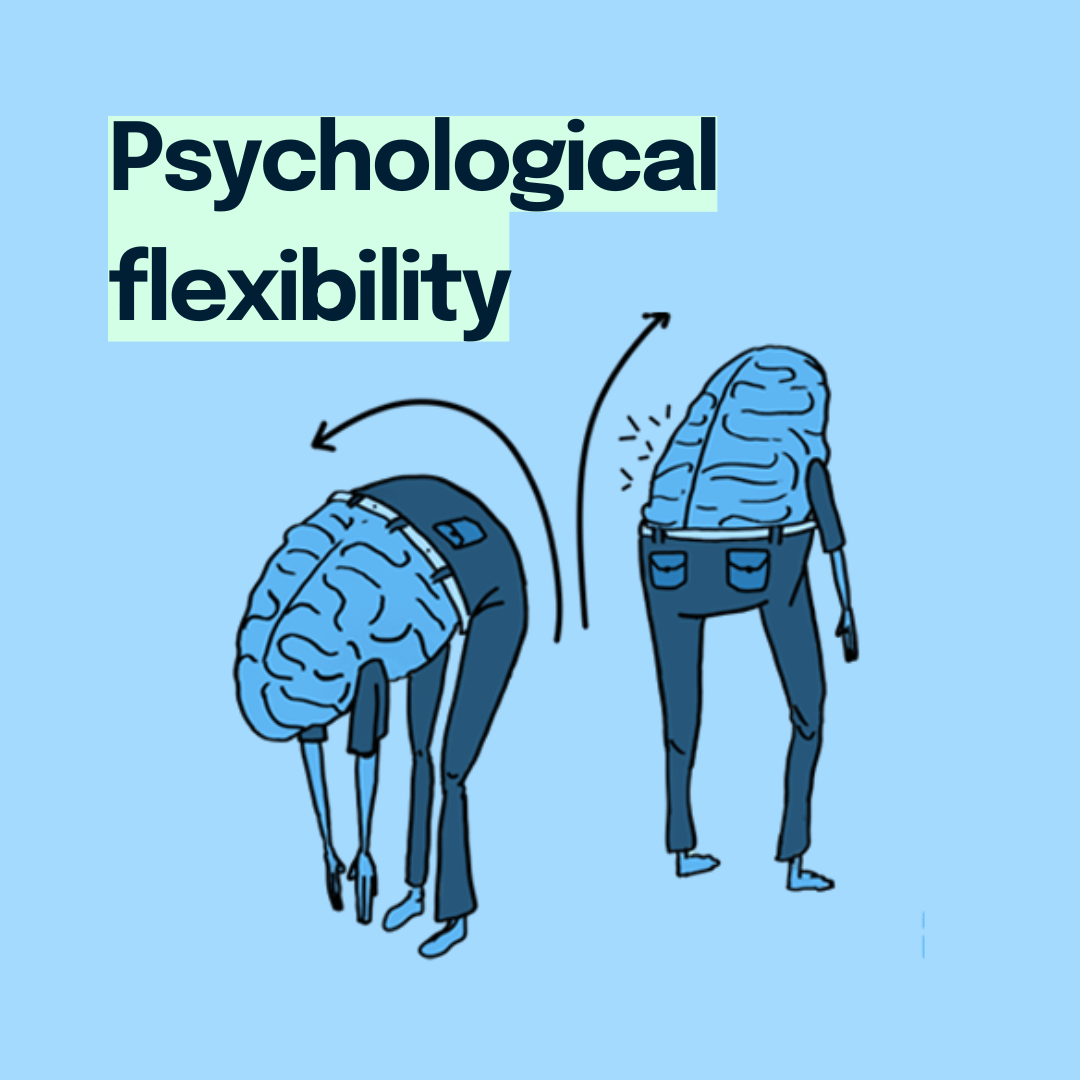
This blog introduces psychological flexibility and why it matters for student wellbeing, behaviour, and learning in secondary schools. It outlines what psychological flexibility looks like in adolescents, common signs of inflexibility, and practical ways teachers can support students to respond to stress, change, and challenge more effectively. Designed for secondary school teachers, this guide supports consistent wellbeing conversations and teacher skill building.
This blog explores what values are and why they matter for wellbeing, behaviour, and decision-making in school settings. It explains how values support identity development, resilience, and positive relationships, and guides teachers and students through practical reflection steps to identify and live in alignment with what matters most. Designed for primary and secondary teachers.
This resource explores staff wellbeing in education, focusing on burnout and self-care strategies. It outlines practical ways educators can manage stress, build resilience, and maintain wellbeing. The guide also highlights the importance of supportive school environments to sustain staff health and effectiveness.
This blog explains peer pressure and how it influences adolescents during a key stage of identity development. Use this for teacher skill building.
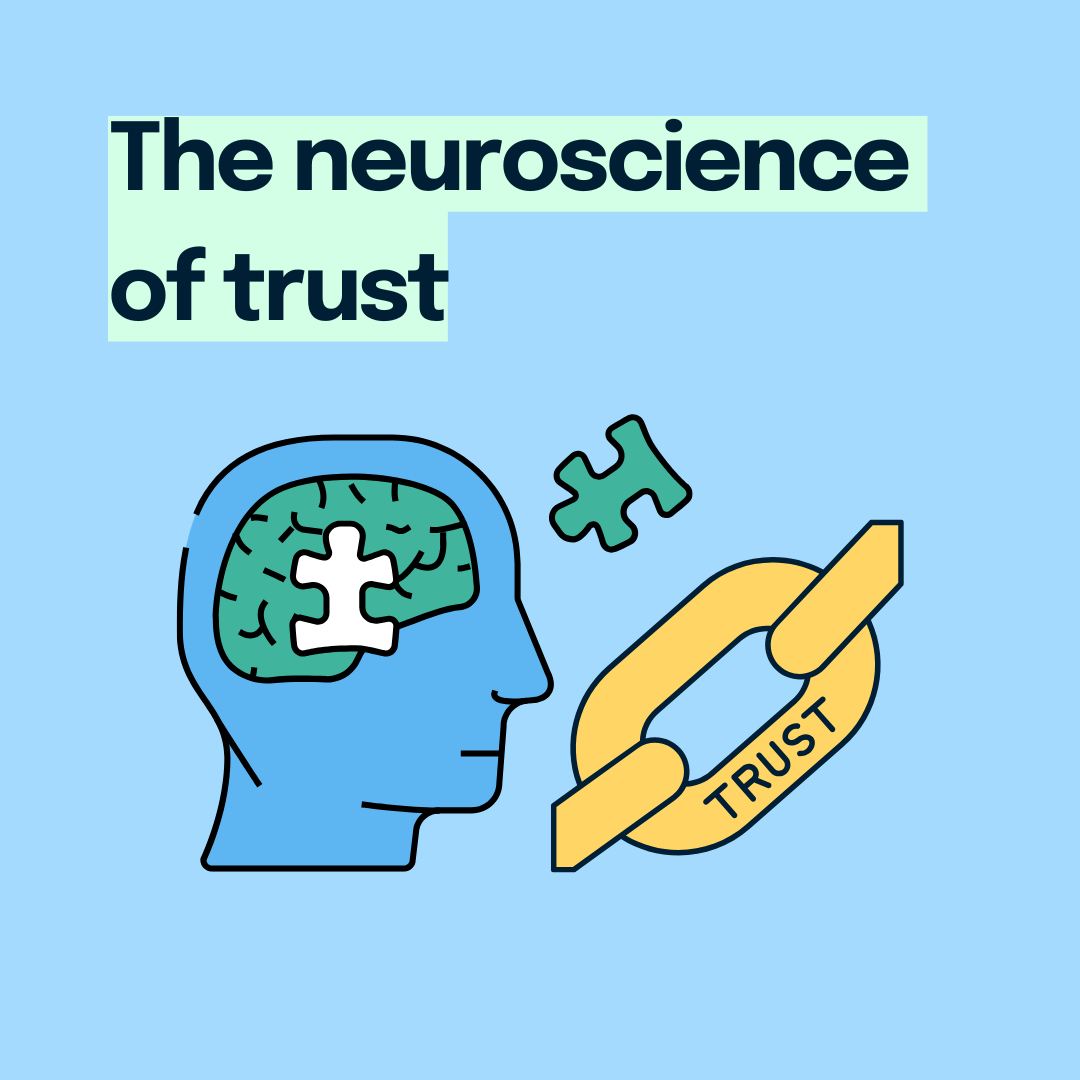
This resource explores the neuroscience of trust and its vital role in the classroom. Drawing on brain science and educational research, it offers practical strategies for staff skill building for both primary and secondary students.
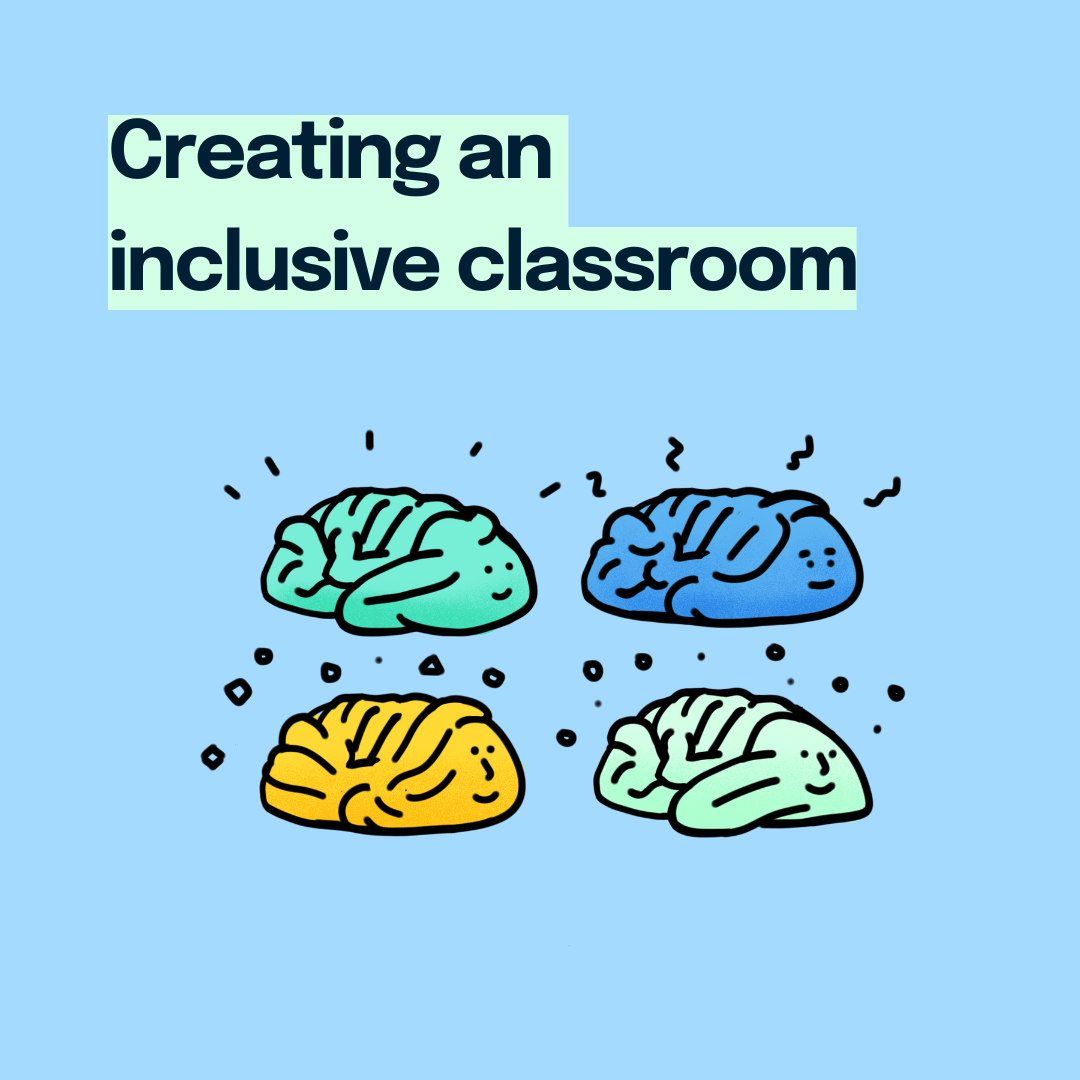
This blog explores how to create an inclusive classroom for primary and secondary students. It offers practical strategies to support diverse learning needs, promote belonging, and build a positive, respectful environment. Ideal for teachers aiming to strengthen classroom culture and student wellbeing.
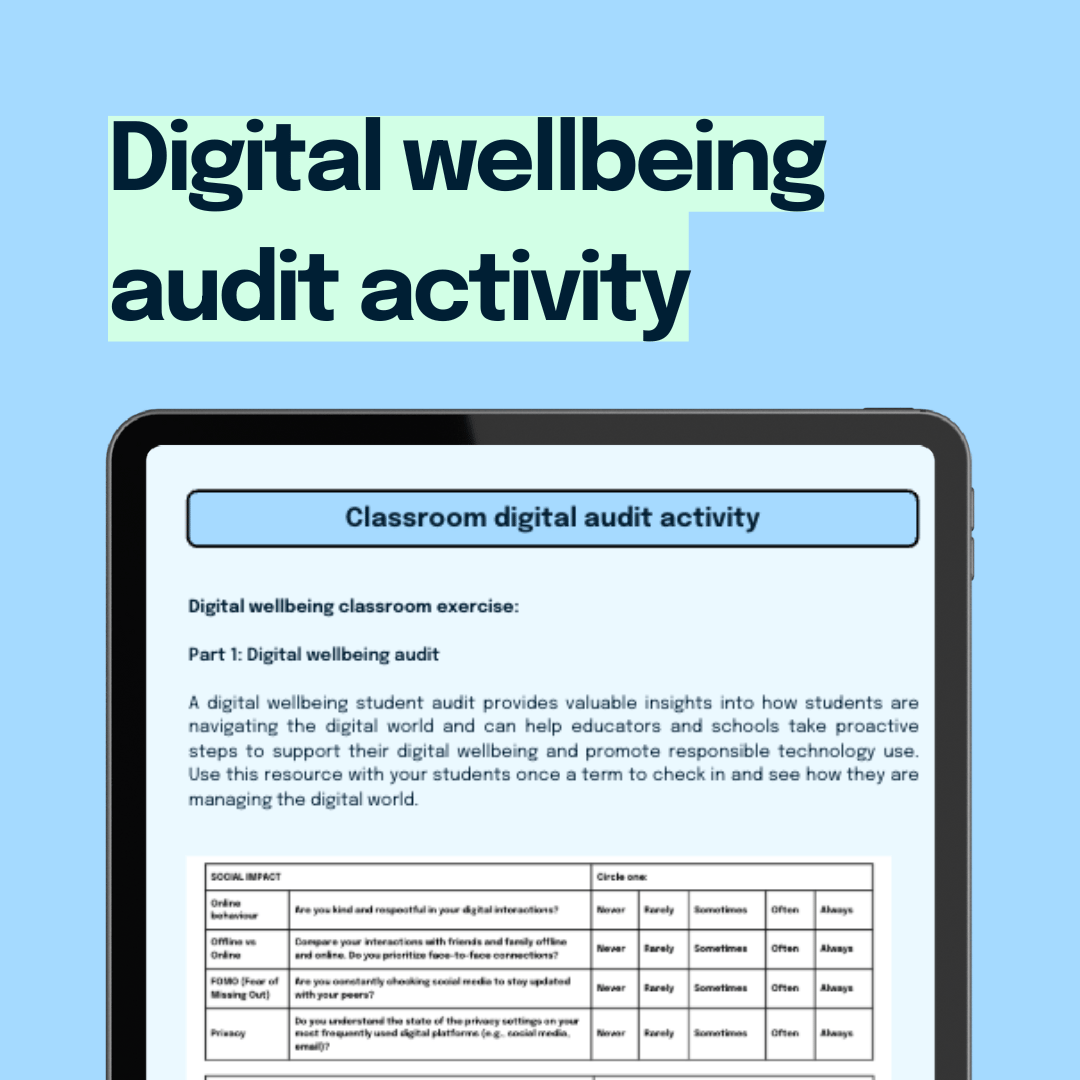
This activity guides secondary students through a digital audit to reflect on their technology use, including screen time, online habits, and digital wellbeing. It helps raise awareness of both positive and challenging patterns, encouraging thoughtful decisions about device use. Suitable for classroom or individual use as part of wellbeing or digital literacy programs.
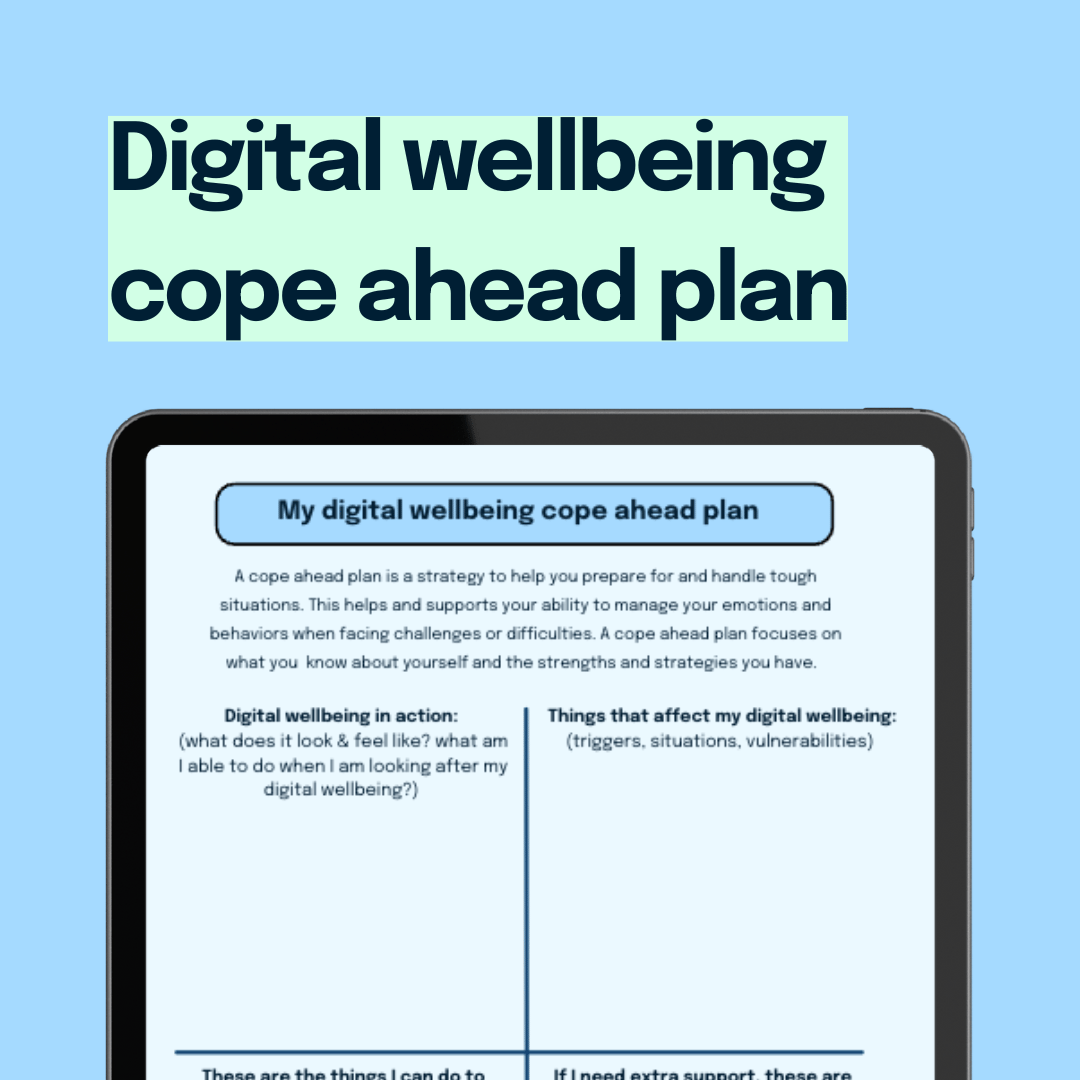
This resource supports secondary students in creating a digital wellbeing cope ahead plan by reflecting on their coping strategies, vulnerabilities, and triggers related to technology use. It encourages proactive planning to manage stress, set healthy boundaries, and build resilience in digital environments. Ideal for classroom or individual use as part of prevention and early intervention.
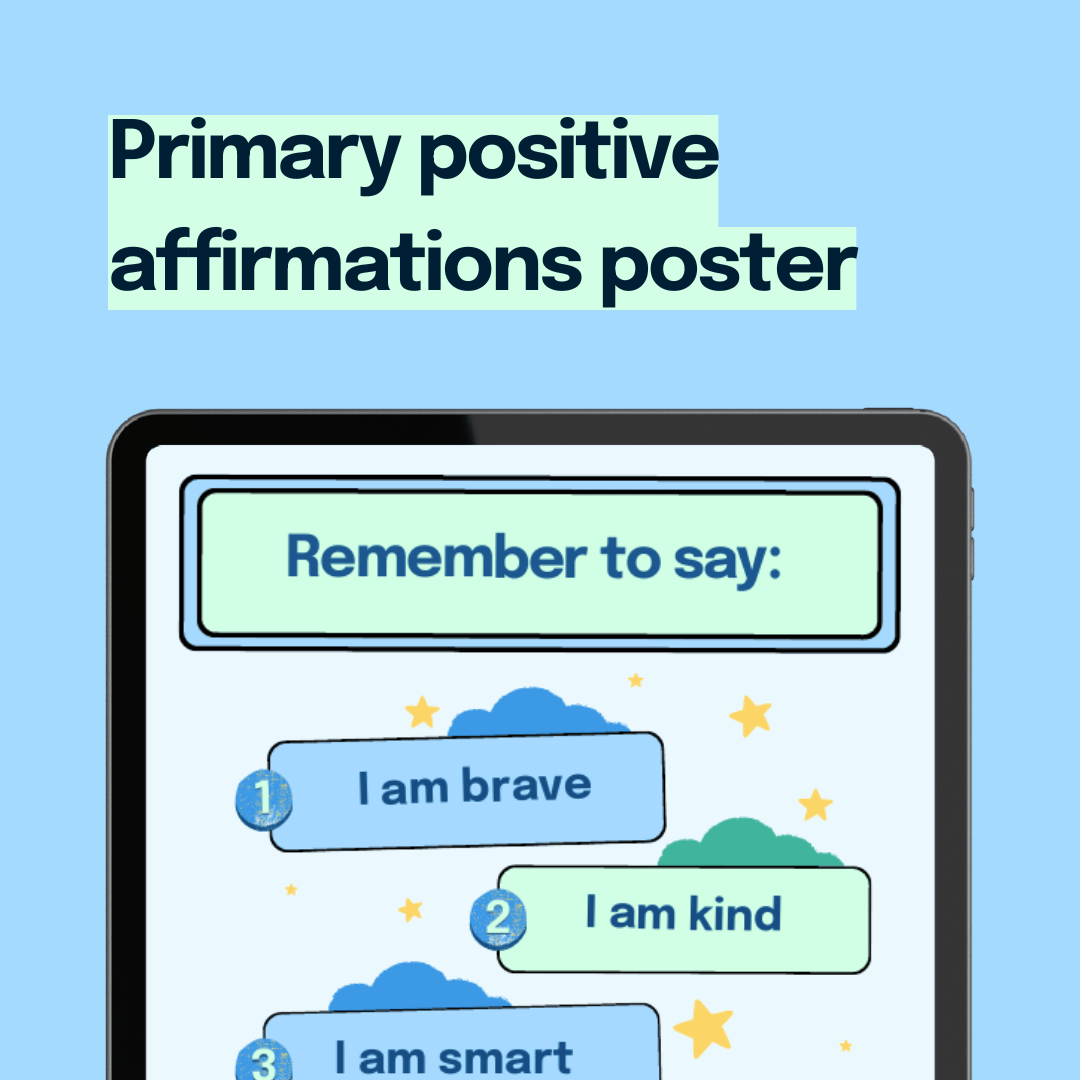
This affirmations poster is designed for primary students to support positive self-talk and emotional wellbeing. It can be displayed in classrooms or used during group routines like morning meetings. Ideal for building confidence, resilience, and a positive mindset in early learners.
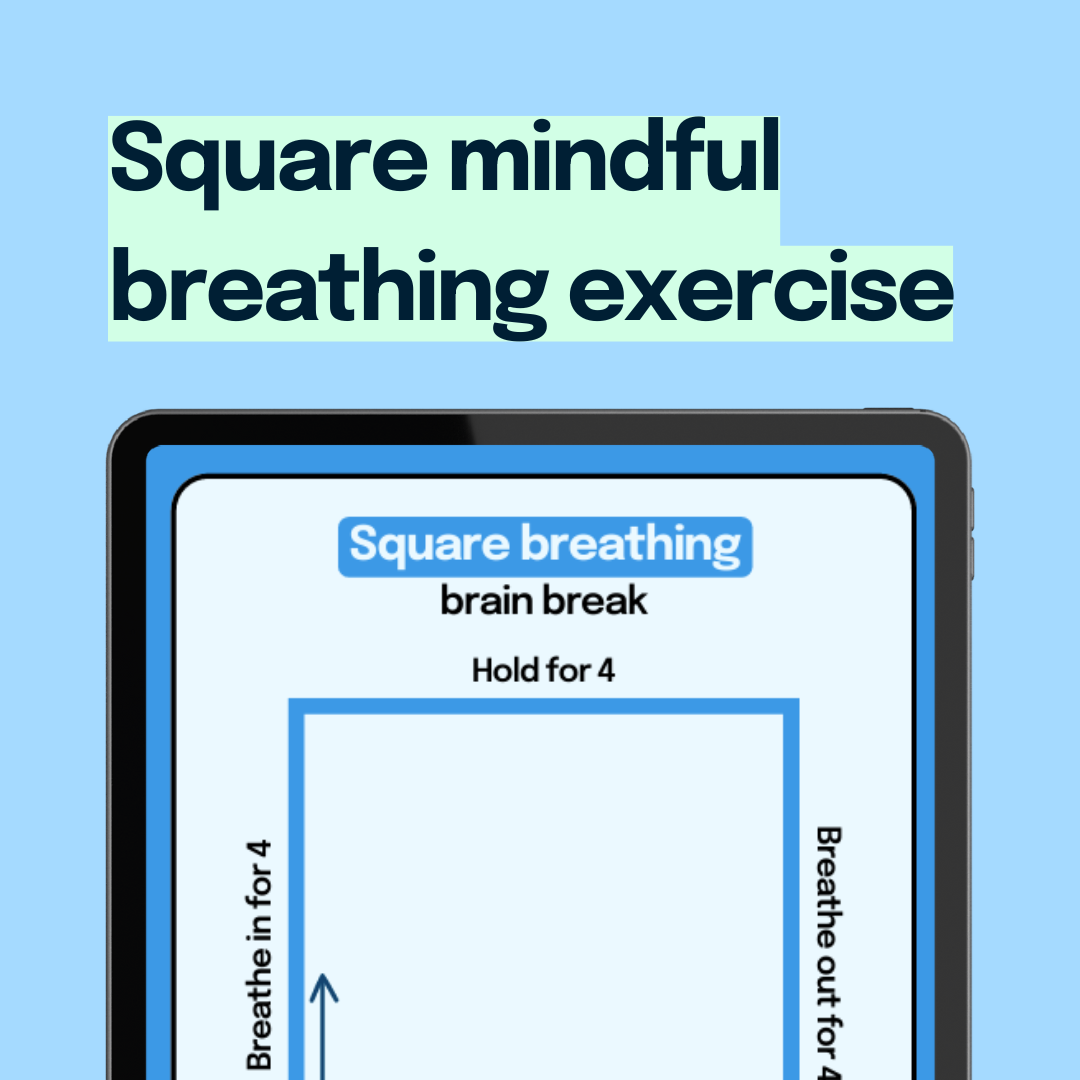
This resource introduces square breathing for secondary school students as a simple, effective technique to manage stress and regulate emotions. It can be used in class, during exams, or one-on-one, and works well as a prevention or early intervention strategy. Ideal for moments of overwhelm or as part of regular wellbeing routines.
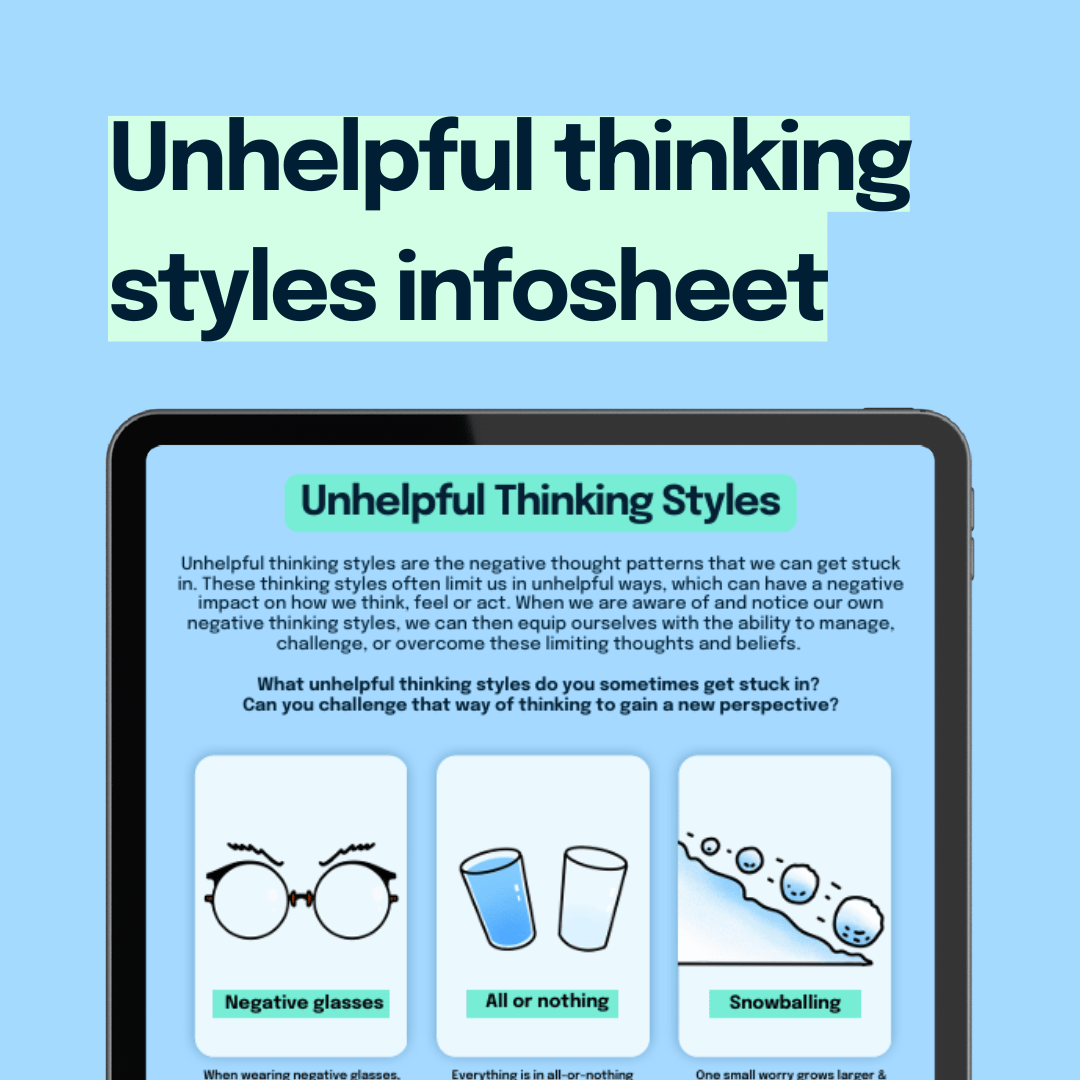
This visual resource introduces common unhelpful thinking traps for primary and secondary students. It uses simple graphics to help students recognise patterns like all-or-nothing thinking or mind reading. Ideal for classroom displays, discussions, or as a tool to support emotional awareness and wellbeing.
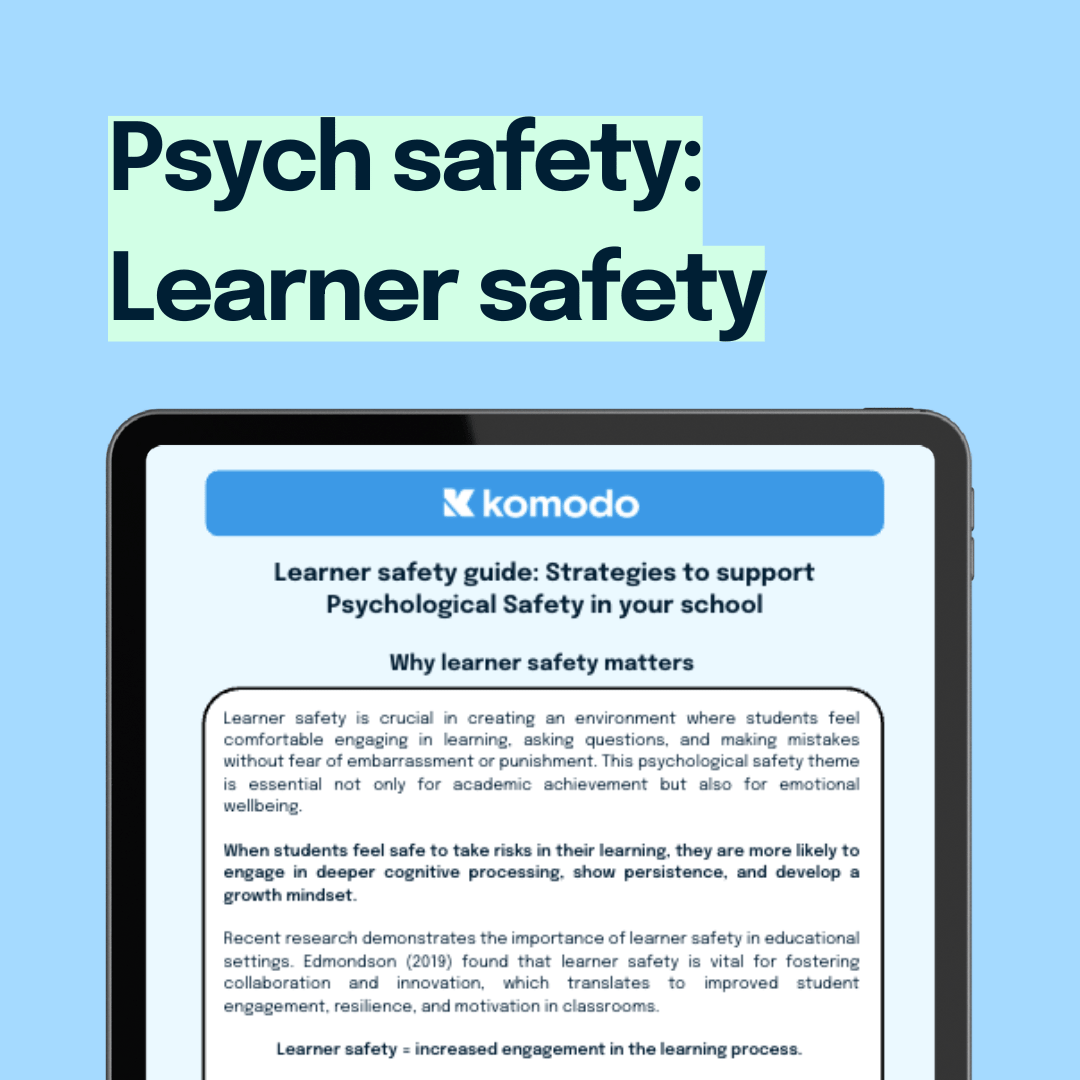
This resource explains learner safety and why it matters for student engagement, wellbeing, and academic resilience. It outlines evidence-based classroom and school-wide strategies to help primary and secondary teachers.
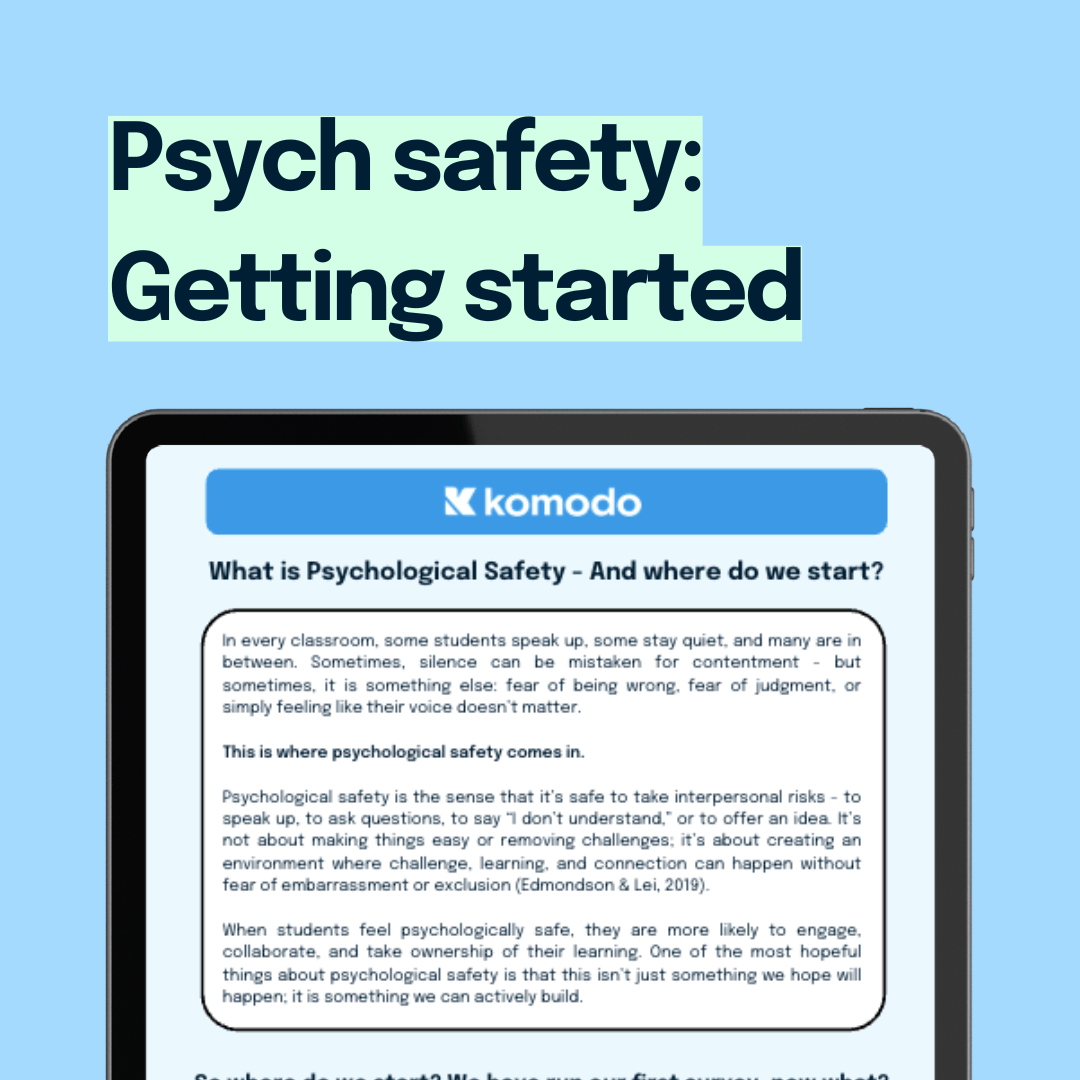
This resource explains Psychological Safety and its role in creating supportive classrooms. It covers four key levels—Inclusion, Learner, Contributor, & Challenger Safety—that promote student wellbeing and participation. Suitable for primary and secondary teachers, it provides practical strategies to help teacher skill-building in this space.
This resource explores the foundational role of respect in psychological safety, showing how it underpins positive relationships, student engagement, and wellbeing. Designed for primary and secondary teachers, this guide offers tools for teacher skill building.
This practical guide introduces the concept of emotional validation and outlines four levels of validating responses drawn from DBT (Dialectical Behaviour Therapy), tailored for school settings. It provides clear examples, sentence starters, and common pitfalls to avoid. This resource is designed for teacher skill building and whole-school implementation, supporting trauma-informed and neuro-affirming practice and can be used in real-time classroom interactions to foster trust and emotional intelligence.
This resource explores the foundational role of individual safety in psychological wellbeing, showing how feeling personally accepted and supported underpins student engagement, belonging, and resilience. Designed for primary and secondary teachers, this guide offers tools for teacher skill building and whole-school implementation.
This resource outlines steps to emotion regulation success for primary and secondary students. It explains what emotion regulation is and offers practical strategies teachers can use to help students understand, manage, and express their emotions effectively. Designed for teacher development and classroom wellbeing support.
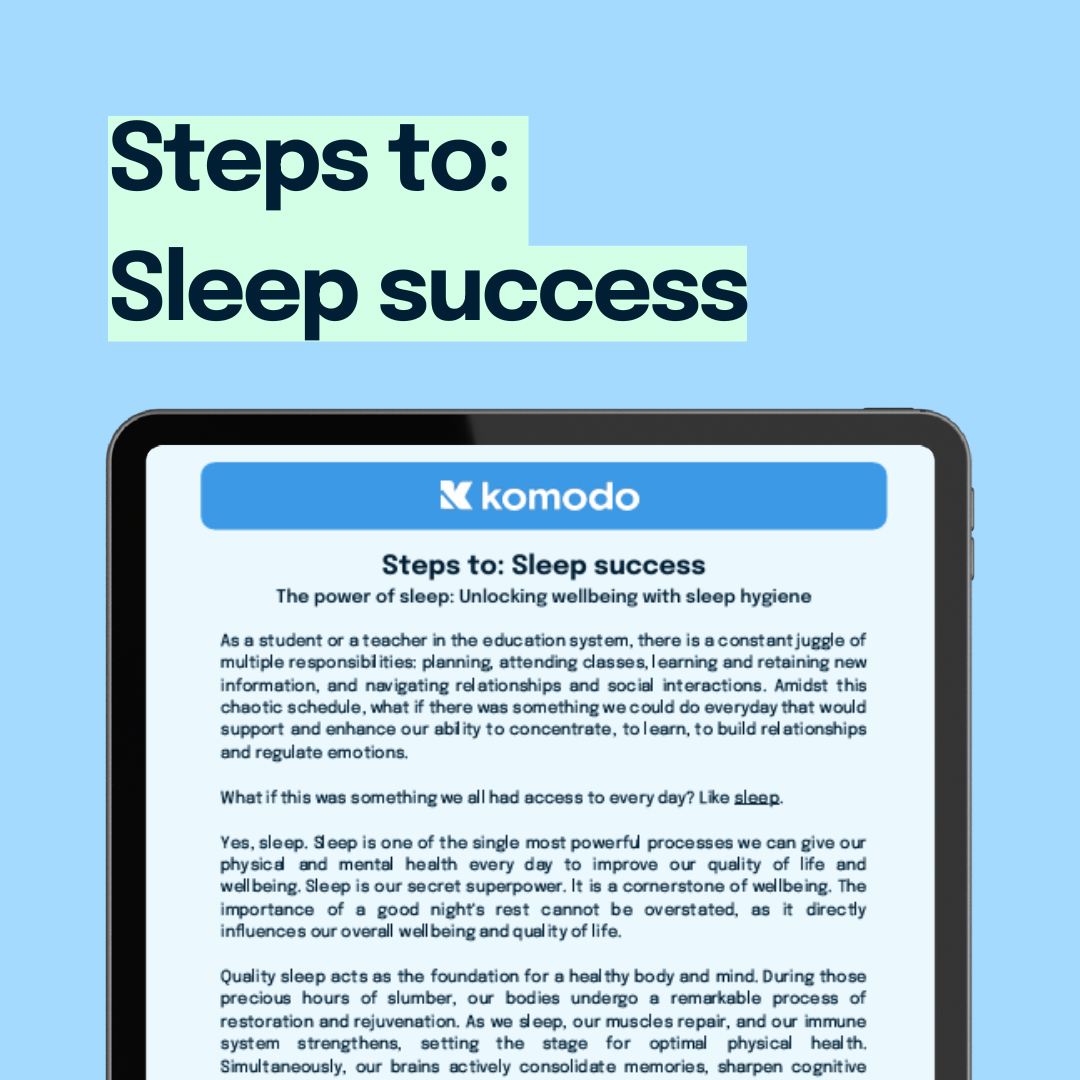
This document provides a comprehensive guide to sleep hygiene and strategies for sleep success, designed to support students’ wellbeing, learning, and overall health.
Use this report to benchmark your school against global, regional and year-level averages, identify themes worth prioritising in your wellbeing strategy, and understand how student and staff wellbeing has shifted year on year. The data for this report was gathered during the 2023 calendar year.
Use this report to benchmark your school against global, regional and year-level averages, identify themes worth prioritising in your wellbeing strategy, and understand how student and staff wellbeing has shifted year on year. The data for this report was gathered during the 2024-25 academic year.
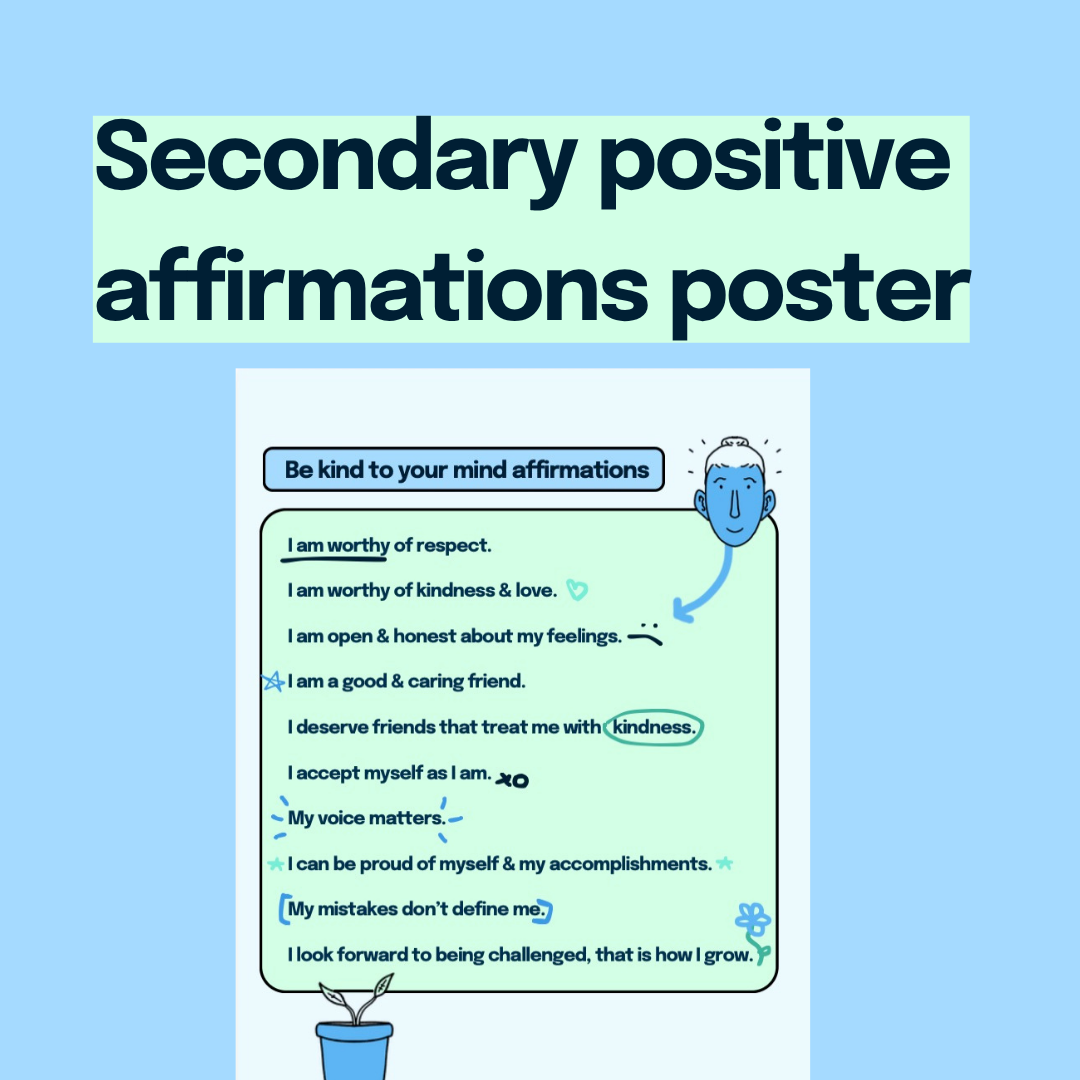
This affirmations poster is designed for secondary classrooms to encourage positive self-talk, confidence, and motivation. Featuring age-appropriate language and empowering statements, it supports students in building resilience and a growth mindset. Ideal for display to inspire wellbeing and a positive learning environment.
This resource explains psychological safety in schools for primary and secondary students, highlighting its role in creating trusting, supportive environments where students feel safe to take risks and learn. It shows how psychological safety reduces stress and boosts engagement, improving behaviour and learning outcomes.